A More Open Approach That Changes the Feel of the Series
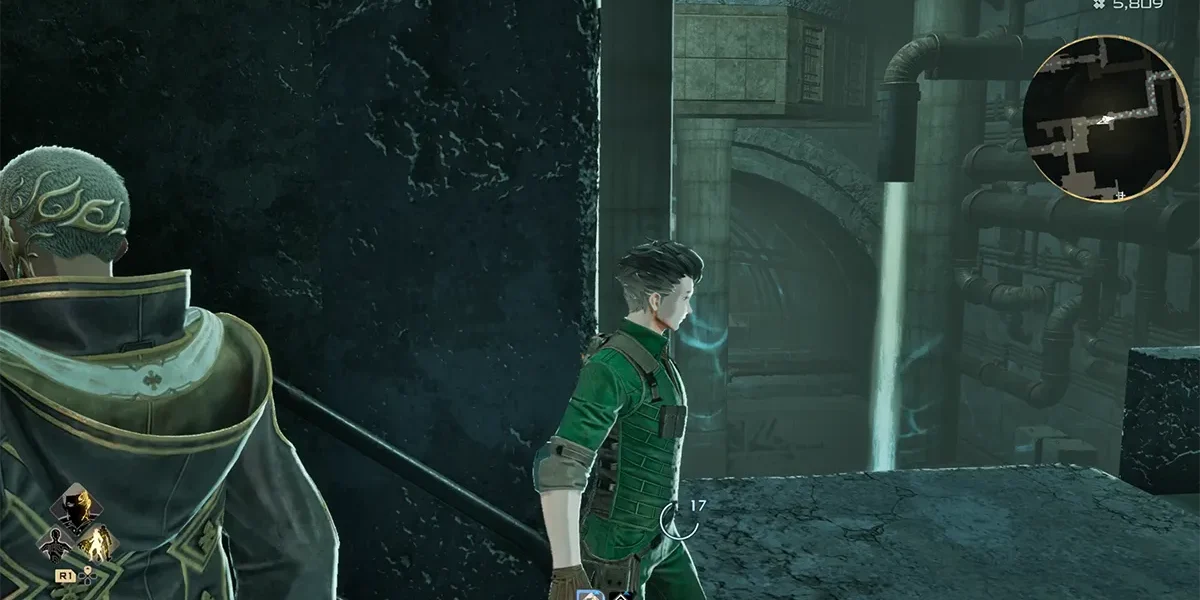
When the original Code Vein launched in 2019, the Soulslike genre was still finding its footing outside of FromSoftware. There were fewer alternatives at the time, and that helped the first game stand out despite some clear flaws. Its combat systems and build flexibility were interesting, but its level design often felt overly linear and repetitive. Much of the experience took place in narrow corridors and maze like spaces that limited exploration.
Code Vein II takes a noticeably different approach. Rather than locking players into the same tight environments, the sequel opens things up with larger areas and a more flexible structure. It is not a completely open world in the traditional sense, but the design is clearly moving toward something closer to what players saw in games like Elden Ring.
That shift changes the feel of the series in a meaningful way. Instead of pushing players down one path at a time, Code Vein II gives them more room to roam, discover side areas, and approach progression with a bit more freedom. For a series that once felt confined to corridors, that extra space makes a difference.
It may not always match the polish of the genre’s biggest names, but the change in direction is welcome.
Combat Still Centers on Customization
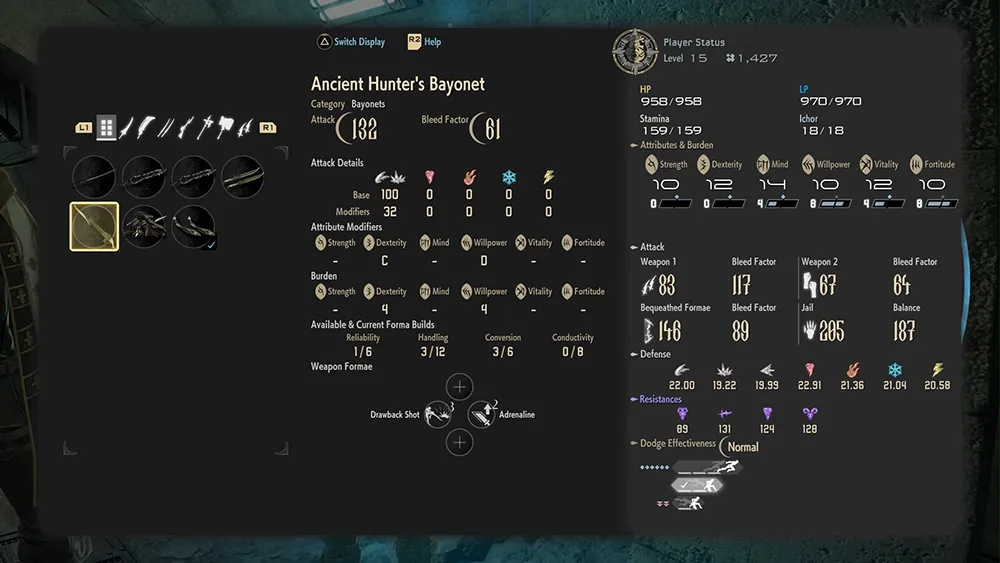
Like the first game, Code Vein II leans heavily into player customization. The Blood Code system returns, allowing players to swap between different builds that affect stats, abilities, and overall playstyle. Around that core system, the sequel adds more layers with new weapons, abilities called Formae, and the return of the Ichor based ability system.
This flexibility remains one of the series’ biggest strengths. You can experiment with heavy weapons, faster dual blades, magic focused builds, or support abilities depending on how you want to approach combat. Switching builds is quick and encourages experimentation rather than locking players into a single style.
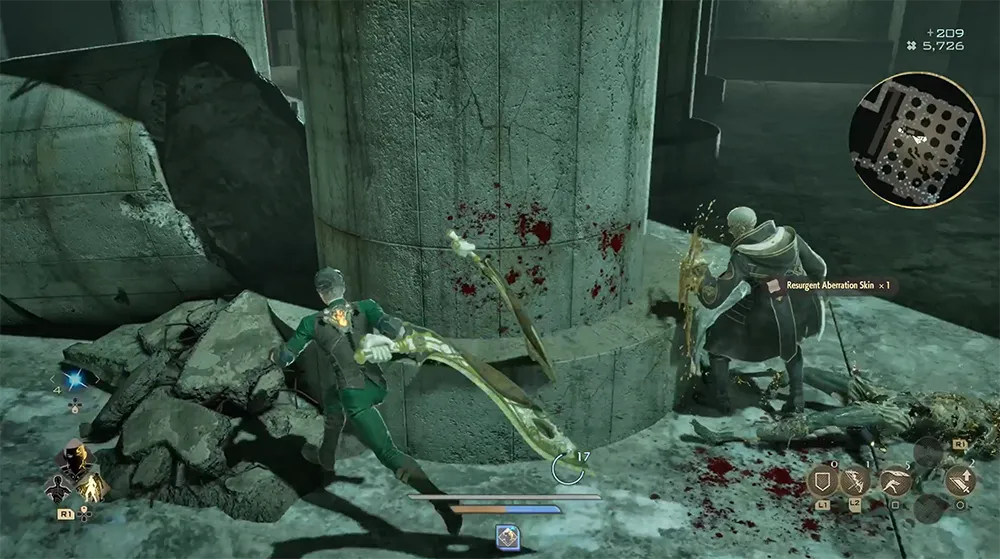
Drain Attacks also return, allowing players to steal Ichor from enemies and fuel powerful abilities. Managing that resource becomes a key part of the combat loop, rewarding players who stay aggressive and take advantage of openings.
The combat can still feel slightly stiff compared to the most polished Soulslike games, but the variety of builds and abilities keeps encounters interesting. Code Vein II gives players a lot of tools to experiment with, and that flexibility helps carry the experience forward.
Partners Play a Bigger Role Than Before
One of the defining mechanics of the series returns with an expanded partner system. Throughout the game you can bring along AI companions who assist in combat, draw enemy attention, and even revive you if you fall during battle.
These partners are more than just extra help. They fundamentally change the flow of combat. Having another character in the fight creates openings that would not normally exist in a traditional Soulslike encounter. While enemies remain aggressive and bosses still hit hard, partners give players breathing room that the original game often lacked.
Code Vein II also adds a mechanic that allows you to temporarily fuse with your partner, boosting your stats and granting a surge of power before sending them back into the fight. It adds another layer of strategy and reinforces the game’s emphasis on flexibility.
Some players may still prefer the challenge of going solo, but the game clearly expects most players to use these companions regularly. When used properly, they make battles feel more dynamic without removing the tension that defines the genre.
A More Open World Brings New Energy to Exploration
The most noticeable change in Code Vein II is how it handles exploration. The first game was often criticized for its maze like corridors and narrow pathways. In the sequel, environments are larger and more open, giving players space to explore rather than simply moving from one hallway to the next.
You can see influences from modern Soulslike design here. Larger areas connect through branching paths, optional encounters appear off the main route, and landmarks in the distance hint at where players might want to travel next.
It does not quite reach the scale or environmental storytelling of the genre’s biggest titles, but the shift toward a more open structure makes the experience feel less restrictive. Being able to move through larger spaces and approach objectives from different angles adds variety that the first game struggled to deliver.
The world design can still be rough around the edges, but the overall direction is a step forward. Code Vein II feels less like a series of corridors and more like a place players can actually explore.
A Story That Expands the World Through Time
The sequel also introduces a time travel focused narrative. Players work alongside a Revenant named Lou, traveling between the ruined present and the past in an attempt to stop a world ending catastrophe known as the Resurgence.
This structure allows the game to show two versions of the same world. In the present, the environment is broken and overrun with hostile creatures. In the past, players see these locations before they were destroyed, interacting with characters who will eventually shape the future.
It is an interesting idea that gives the story more structure than the original game. Meeting characters before their fate is sealed adds emotional context to the world and helps the narrative feel more personal.
The story is still delivered through a large number of cutscenes, which can slow the pacing at times, but the time travel concept gives the game a clearer narrative direction than the first Code Vein.
Boss Fights Remain a Mixed Experience
Boss encounters remain central to the experience, and they continue to deliver some of the game’s most intense moments. Many of these fights feature large enemies with powerful attacks and massive health pools, forcing players to carefully manage stamina, positioning, and ability usage.
The challenge level can fluctuate depending on your build and whether you bring a partner into the fight. Some bosses feel appropriately demanding, while others become easier once your character build fully comes together.
Even so, the spectacle of these encounters still provides memorable moments. Learning attack patterns, finding openings, and gradually gaining the upper hand remains one of the most satisfying parts of the experience.
While the bosses may not reach the iconic design seen in the very best Soulslike games, they still provide plenty of tension for players willing to learn their patterns.
Why Code Vein II Still Has a Place in the Genre
Code Vein II does not completely reinvent the Soulslike formula, but it does push the series in a healthier direction. The more open environments give the world room to breathe, the expanded combat systems add flexibility, and the partner mechanics provide a distinctive twist on the genre’s usual formula.
The game may not reach the same level of polish as the genre’s biggest names, but it succeeds in evolving the ideas introduced in the first Code Vein. It feels less confined, more ambitious, and more willing to experiment with how players approach combat and exploration.
For fans of the original game, this sequel offers a noticeably improved experience. For players who enjoy Soulslike combat but want a version of the formula that leans into character customization and anime style presentation, Code Vein II delivers a solid adventure.
It may not redefine the genre, but it gives the series the room it needed to grow.
Leave a Reply