Rick and Morty Season 9 episode 1 came out swinging, and I have to go on the record and say this might have had the best fighting scenes of any Rick and Morty episode ever.
SPOILER ALERT
The episode starts with Morty catching Rick texting someone, and Rick is trying to act like it is nothing. Of course, it turns out Rick has been talking to Evil Morty. Not only that, but Evil Morty has basically been forcing Rick to help him by threatening his family.
That alone is crazy because Rick does not usually get pushed around like that. Rick is usually the person doing the pushing. But Evil Morty is different. He has the power, the intelligence, and the leverage to make Rick actually show up. From there, the episode goes into this huge mission involving the Collective, this multiverse eating threat heading toward the Central Finite Curve. And for me, that is when the episode really started feeling like classic Rick and Morty, but turned all the way up.
The Fight With The Collective Was Insane
The Collective fight was probably my favorite part of the episode.
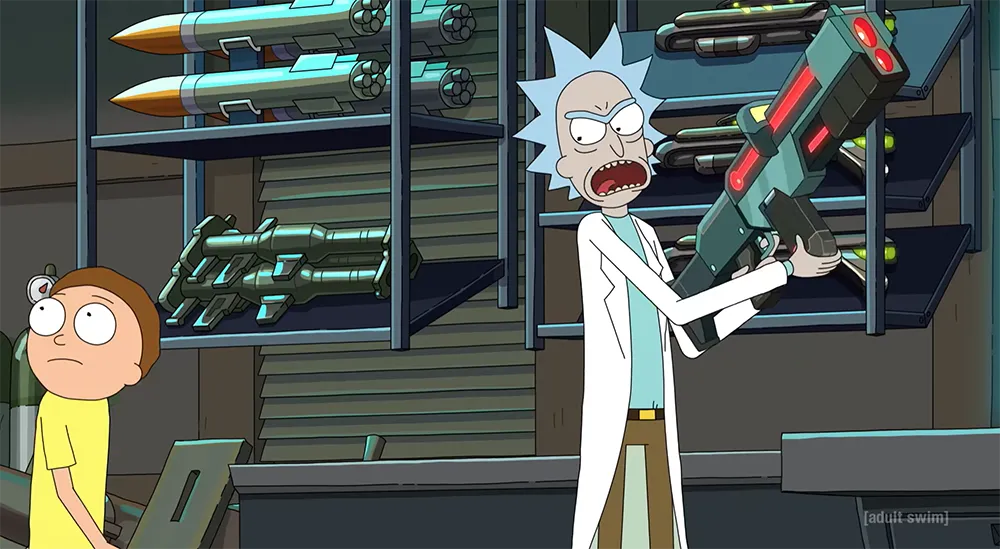
This thing was not just another monster or random alien. It was a celestial level problem that could absorb technology and learn from it. So Rick and Evil Morty could not just take the normal blaster approach and call it a day. They had to actually think around it. That is what made the fight feel so good. Rick was moving. Evil Morty was moving. Morty was stuck in the middle of something way bigger than himself. It felt like one of those moments where you remember how crazy the show can get when it wants to play with the full multiverse stuff.
I know Rick and Morty has had big fights before. Rick fighting Birdperson was intense, but Birdperson had the advantage with all that upgraded tech. Evil Morty taking out his own Rick was a major lore moment, but it did not feel like this. This fight felt full throttle. It felt like the kind of thing you would think Rick and Morty would be doing all the time, but the show saves this level of madness for when it really matters.
Rick And Evil Morty Have A Rhythm
The other big thing in this episode is Rick and Evil Morty’s chemistry. I do not mean they are friends. Evil Morty is still threatening Rick. He is still dangerous. He is still using the family as leverage. But they do have a rhythm. They talk like they have done this before because they have. They work together in a way that Good Morty can see right away, and you can tell it bothers him.
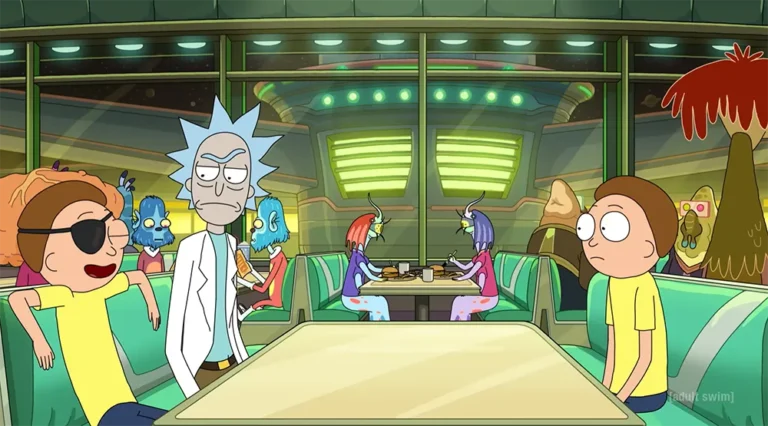
That is what made the diner scene so interesting. Morty is not just mad that Rick lied to him. He is watching Evil Morty sit there like he belongs in Rick’s world. Evil Morty understands the science, the danger, and the bigger picture. He does not need Rick to explain everything to him. And that is the part that hurts Morty.
These Two Mortys Are Connected (Theory And Not Confirmed)
This is where my mind went after watching the episode. When I bring up Evil Rick, I do not mean he is part of this episode. He is not. I mean the idea of connection. Rick and his enemy were connected through pain, obsession, and what happened with Diane. One version of Rick became tied to another because something was taken from him.
Now it feels like these two Mortys might be connected in that same kind of way. Good Morty and Evil Morty hate each other, but it does not feel random. It feels personal. Evil Morty is everything Good Morty is afraid he is not. He is smart, powerful, calm, cold, and able to stand next to Rick without looking small. That is why the connection matters. Evil Morty is not just another villain. He is almost like a warning. He is showing Good Morty what a Morty can become when he stops needing Rick, or at least acts like he does.
Is This Morty’s Diane Moment?
The biggest thing for me is that this does not just feel like jealousy. It feels like Evil Morty is taking Good Morty’s Rick.
That made me think about Rick and Diane. Rick losing Diane helped create the Rick we know now. That loss broke something in him. So what happens if Morty feels like he is losing Rick? Not literally in the same way, but emotionally. Good Morty sees Evil Morty working with Rick. He sees Rick listen to him. He sees Rick need him. And then Morty asks Rick if he wishes he was smarter.
That line is huge. Morty knows Evil Morty is smarter. He knows Rick sees it too. And deep down, he is scared Rick might prefer that version of him.
That is why I think Good Morty becoming his own version of Evil Morty is not crazy. Maybe not the same exact Evil Morty, but a darker Morty. A Morty who gets pushed by fear, jealousy, and the idea that Rick might leave him behind.
If Rick losing Diane created Rick, then Evil Morty taking Rick from Good Morty could be the thing that creates something new in Morty. And that is a scary thought. They even tease that in a past episode about getting to big of a head could lead to bigger things down the line.
Why Don’t Ricks Mess With Time?
The time prison part also stood out to me. Rick does not really mess with time, and this episode brings that idea back in a way that feels important. Evil Morty uses time tech, then the time cops show up and take him away.
Now, the episode does not confirm that Rick has been in time prison before. So I am not saying that as a fact. But the scene makes you wonder.
Right before Evil Morty gets taken away, Rick says, “Sorry Morty, you made it weird,” and then gives him the finger as Evil Morty goes off to time prison. To me, that felt personal. Rick is not literally saying “now it is your turn,” is he? But that is how the moment reads. It feels like Rick knows exactly what kind of punishment Evil Morty is about to experience.
Maybe a Rick somewhere got locked up for messing with time. Maybe our Rick knows more about time prison than he lets on. Maybe that is why Ricks do not mess with time. Who knows, but Evil Morty going to time prison does not feel like the end. It feels like a setup.
Final Thoughts
Rick and Morty Season 9 episode 1 was a strong start.
The fight scenes were amazing. The Collective felt like a real multiverse level threat. Evil Morty being back made the episode feel important. But the thing that really stayed with me was what this means for Good Morty. Evil Morty is not just a villain here. He is the smarter Morty. The confident Morty. The Morty who can stand beside Rick and make Good Morty feel replaceable.
That is why this episode feels bigger than just Evil Morty returning. It feels like the beginning of something for Good Morty too. Maybe Evil Morty is gone for now. Maybe time prison holds him for a while. But the damage might already be done. Good Morty has seen what another version of himself can become.
Now the question is what he does with that.
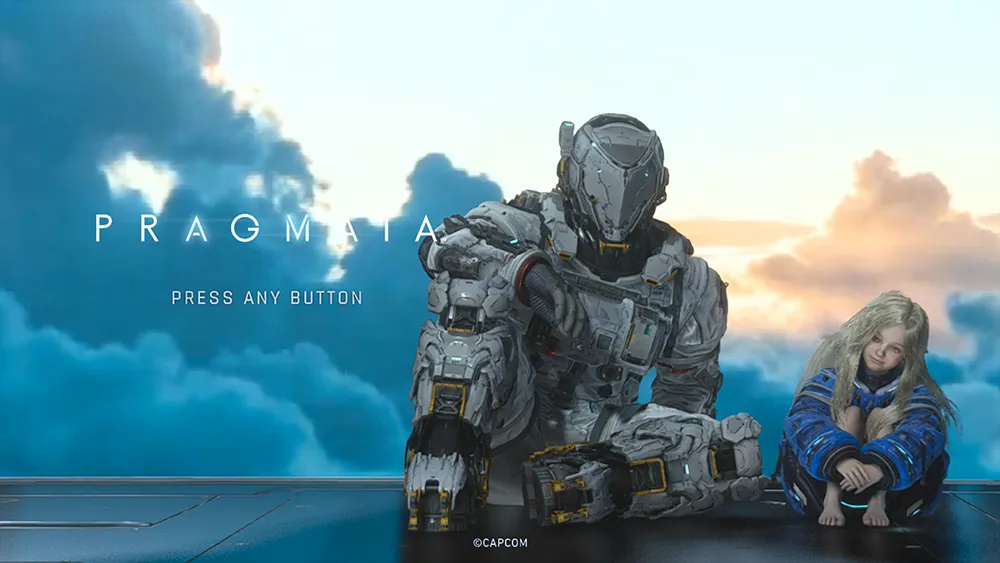
Pragmata is the kind of game I did not fully trust until I actually played it but hoped would be this good. Since Hades 2, Switch 2 has had few games I’d say really had me going after business meetings, could I get a solid hour in now if I take lunch? Surprise, you can. Capcom announced it, disappeared for a while, showed it again, then left everyone trying to figure out what the thing actually was. Was it a shooter? A puzzle game? A sci fi escort mission? A robot dad simulator? Somehow, the answer is a little bit yes to all of that, which sounds like a problem. It is not.
On Switch 2, Pragmata is a compact third person sci fi action game about Hugh, a space technician trapped on the moon, and Diana, an android girl who helps him survive a facility full of killer machines. The setup is clean. Something has gone very wrong on a lunar research base, Earth is out of reach, and the robots have apparently decided that customer service is no longer part of the mission. Fair enough. Terrible for Hugh, but fair enough. The surprise is how nicely Pragmata plays once everything clicks. I played it docked on a big screen with the Switch 2 Pro Controller, and that is absolutely the way I would recommend playing it. This is not really a “curl up in handheld mode while half watching something else” game. The combat asks for attention. The hacking system asks for attention. The robots, very rudely, also ask for attention by trying to crush you. Docked, with a proper controller, Pragmata feels much better than I expected.
Shooting And Hacking At The Same Time
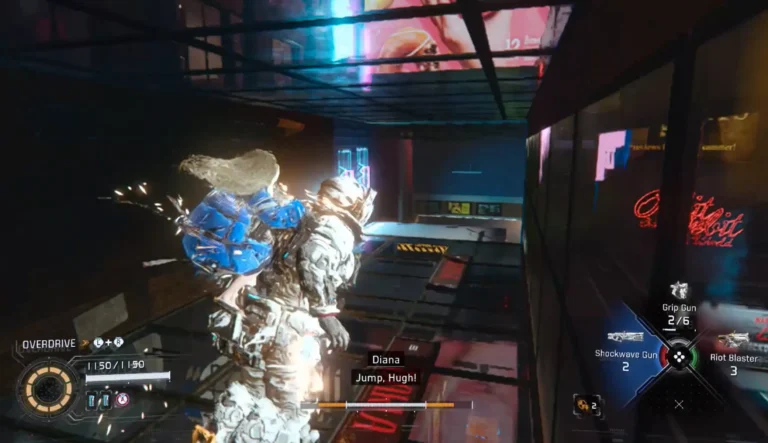
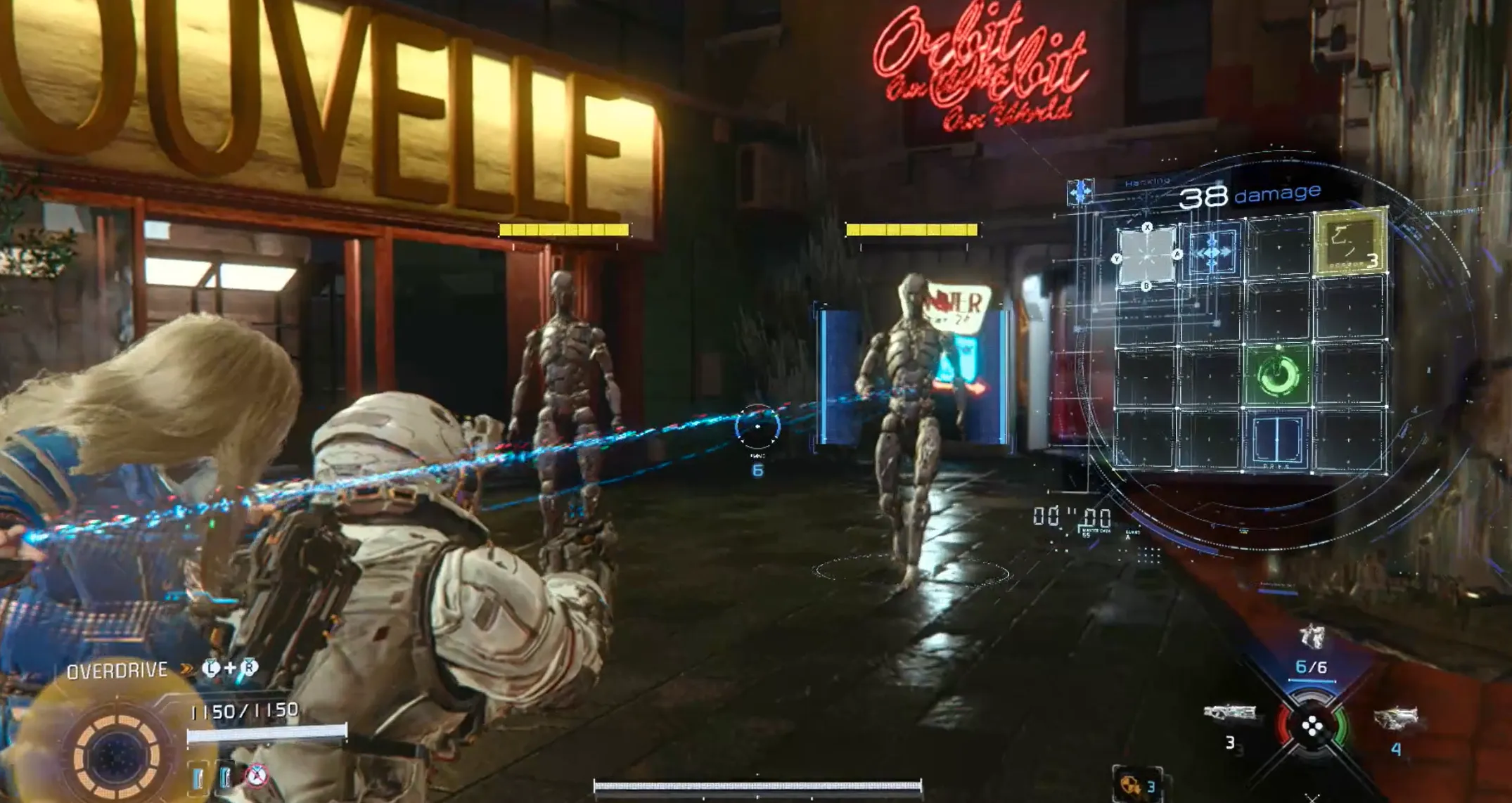
The main idea behind Pragmata’s combat is that Hugh does the shooting while Diana does the hacking. Most enemies are protected by shields, so you cannot just unload into them and call it strategy. You have to aim at them, start Diana’s hack, work through a small grid style puzzle, open up their defenses, then use that window to deal real damage. At first, this sounds like it could become annoying very quickly. A hacking mini game in the middle of combat is exactly the kind of idea that can make a game feel clever in a meeting and miserable in your hands. But Pragmata mostly avoids that.
The hacking is quick, readable, and tied directly into the action. You are not stopping the game to solve homework. You are dodging, aiming, choosing the best hack route, and deciding whether you want to weaken an enemy, stun it, freeze it, or set up more damage. It gives the combat a little more thought than a standard over the shoulder shooter without turning every fight into a tax form. That balance matters. There are moments where the screen gets busy, especially when multiple enemies are closing in and you are trying to hack one robot while another one is treating your personal space like a suggestion. But on a big screen, it stays manageable. The Pro Controller also helps because the movement and aiming feel comfortable enough that you can focus on decisions instead of wrestling with the controls. That is where the game starts to work. You are not just shooting robots. You are setting them up.
The Switch 2 Version Holds Up Best On A TV
Let’s get the obvious thing out of the way. Pragmata on Switch 2 is not going to be the prettiest version of the game. That should not shock anyone. This is a Capcom sci fi action game running on Nintendo hardware. There are going to be tradeoffs. The image is a little softer, the visual detail is not as sharp as stronger platforms, and you can feel that the Switch 2 version is doing some quiet negotiation behind the curtain. Still, docked mode does a decent job of making the game feel like a proper console experience. The environments look clean enough, the character models hold up, and the action remains readable, which is the most important part here. A game like this can survive not being the most beautiful version. It cannot survive if combat feels messy or sluggish.
The big screen helps the most with the interface. Pragmata has shooting, enemy tells, hacking routes, ability prompts, weak points, and effects all happening at once. On a handheld screen, that can feel cramped. On a TV, it breathes. It also makes the game’s sterile moon base environments feel a bit more impressive, even when the Switch 2 is clearly not pushing the same level of visual detail as higher end machines. So yes, you can play it handheld. But I would not make that the main event. This is a couch, TV, Pro Controller game.
Hugh And Diana Carry More Than They Should
The story itself is fine. That sounds harsh, but it really is fine in the normal sci fi way. There is a moon facility. There are secrets. Humanity has been doing humanity things with technology, which means someone probably made a decision that sounded smart in a lab and horrifying everywhere else. You collect bits of world building, move through labs and industrial areas, and slowly piece together what happened. It works, but it is not the real reason Pragmata sticks. The reason it sticks is Hugh and Diana.
Their relationship gives the game a warmer personality than the setting suggests. Hugh is heavy, practical, and tired in the way anyone would be tired if they were trapped on the moon fighting murder robots. Diana could easily have been irritating, because childlike android companions are always one bad line away from disaster, but she works. She is curious without being unbearable, strange without being empty, and useful enough in combat that you do not spend the game wondering why Hugh has not left her in a storage closet. That is character development. Sort of. The game does a good job making their partnership feel important mechanically and emotionally. Diana is not just there for cutscenes. She is part of how you fight, part of how you progress, and part of why the world feels less cold. That makes a difference in a game full of metal hallways and angry machines.
Progression Keeps It Moving
Pragmata is not a huge game, and that is one of its strengths. It has a mostly linear structure, but it gives you enough side paths, challenge rooms, upgrades, and optional areas to make exploration worthwhile. You are not wandering around a giant map wondering which identical corridor has the one glowing collectible you missed. You are usually moving forward, finding useful materials, unlocking upgrades, and getting a little better at surviving. That is enough. You can improve Hugh’s armor and weapons, expand Diana’s hacking abilities, and unlock extra tools that make combat more flexible. The game keeps handing you small improvements at a steady pace, which is important because the core loop depends on variety. If you were hacking and shooting the same two robots for twelve hours, this would fall apart quickly.
Thankfully, enemy variety improves as the game goes. Early fights are simple, but later encounters ask more from you. Some enemies pressure you up close. Some need different hacking priorities. Some make you save stronger weapons for the right moment. It never becomes wildly complex, but it does become more active. By the back half, the game has a nice rhythm. Move through the facility. Find resources. Upgrade. Fight something unpleasant. Learn a new trick. Repeat. That may not sound glamorous, but it works.
What Does Not Work
Pragmata does have some issues. The biggest one is that the combat can occasionally feel overloaded. Hacking one enemy while two others are attacking you can be exciting, but it can also become a little messy. The camera mostly behaves, but not always. Some weapons also feel better than others, and a few lack the punch you want from a sci fi arsenal. The Switch 2 version also has visible compromises. Again, that is expected, but it is still worth saying. If you care most about image quality, this probably is not the version to buy. The game looks good enough docked, but “good enough” is doing some work there.
The story also takes a while to become interesting. Hugh and Diana are good together, but the bigger mystery is not instantly gripping. For a while, the game is carried more by the combat than the plot. Luckily, the combat is strong enough to do that carrying.
Final Thoughts
Pragmata on Switch 2 is better than expected. It is not the biggest game of the year, and it is not trying to be. It is a focused sci fi action game with a clever combat hook, a surprisingly likable central duo, and a structure that respects your time. The Switch 2 version is not perfect, but docked on a big screen with a Pro Controller, it feels good where it counts. That is the main thing. There are visual compromises. Some fights get messy. The story is more solid than spectacular. But the actual act of playing Pragmata is fun, and that covers a lot.
Capcom made a weird moon game about a space guy and an android girl fighting hacked robots. Somehow, it works.
Score: 8 out of 10
Pragmata is a strong Switch 2 action game if you play it docked. It has some rough edges, but the shooting, hacking, and character chemistry make it easy to recommend.
June 2026 is looking like one of those months where the release calendar quietly walks into the room, drops five expensive problems on the table, and leaves.
We have a massive RPG remake, a big tactical shooter shifting wars entirely, a new Square Enix action RPG, a street basketball game that remembers sports games are allowed to be fun, and Nintendo finally doing something with Star Fox again.
So yes, June is busy. Weird busy. Dangerous busy. The kind of busy where your backlog looks at you and says, “Be serious.”
1. Star Fox
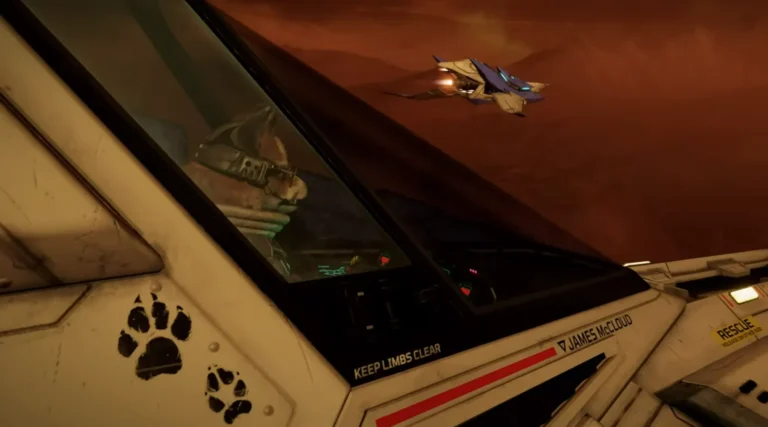
Star Fox coming back on Nintendo Switch 2 feels slightly unreal. Not because Nintendo forgot Star Fox exists, exactly, but because for a while it seemed like Nintendo remembered Star Fox in the same way you remember a gym membership. Technically there. Not being used.
This new Star Fox is coming to Switch 2 on June 25, 2026, and Nintendo has it listed as a proper Switch 2 release, not just some dusty old thing dragged out of a storage closet.
The big reason this is exciting is simple. Star Fox works best when it knows what it is. Fast ships. Weird animal pilots. Big glowing weak points. Someone yelling something dramatic while you barrel roll through laser fire. That is the whole meal. You do not need to turn it into an experimental control scheme, a strategy game, a farming sim, or whatever else Nintendo might be tempted to do after drinking too much innovation juice.
Just give us Star Fox.
There is also something funny about how long people have been asking for this. Nintendo fans do not even need a new galaxy sized reinvention here. They just want Fox McCloud back in a ship, preferably with Peppy yelling at them like a worried uncle. That is enough.
If this lands, it could be the Switch 2 game that makes people go, “Oh right, Star Fox is awesome.”
2. Hell Let Loose: Vietnam
Hell Let Loose: Vietnam is probably the most intense game on this list, mostly because Hell Let Loose is already not exactly a relaxing time. The series is built around huge tactical battles, communication, teamwork, and the general feeling that if you run across an open field without thinking, the game will personally punish you for your arrogance.
This one launches digitally on June 18, 2026, for PC, PS5, and Xbox Series X|S, and it moves the series from World War II into the Vietnam War.
That setting change matters. A lot.
World War II shooters have a certain shape to them at this point. We know the beaches. We know the uniforms. We know the ruined towns. Vietnam changes the texture completely. Jungle warfare, helicopters, guerrilla tactics, ambushes, tunnels, uneven firepower, and a much stranger kind of tension. It is still Hell Let Loose, but the battlefield fantasy is different.
That could make this feel like more than just another entry with new maps. The whole rhythm has to change. The way players move, listen, hide, coordinate, and panic should feel different, because Vietnam is not just World War II with more trees.
If the developers pull that off, this could be brutal in exactly the way Hell Let Loose fans want.
Fun? Maybe.
Stressful? Absolutely.
The kind of game where one guy with a microphone becomes the emotional foundation of an entire squad? Definitely.
3. Gothic 1 Remake
Gothic 1 Remake is one of those games that makes longtime RPG fans sit up a little straighter. The original Gothic was strange, rough, hostile, and weirdly alive. It was not trying to hold your hand. It was more interested in shoving you into a prison colony and seeing whether you could survive the social ecosystem of everyone being terrible.
The remake is launching June 5, 2026, for PC, PlayStation 5, and Xbox Series X|S. THQ Nordic says it is bringing players back to the Colony, which is exactly where Gothic belongs.
The appeal here is not just nostalgia. It is the idea of an RPG world that does not feel like a theme park. Gothic was always interesting because the world had routines, factions, danger, and a very clear lack of concern for your comfort. You were not the chosen one getting applause every ten minutes. You were some guy in a bad place, trying not to get folded by people who had been there longer.
That is good RPG material.
The worry with any remake like this is that modernization can sand off the personality. A lot of older RPGs were annoying, yes, but sometimes the annoying bits were tangled up with the identity. Gothic needs better controls, better presentation, and fewer moments where the game feels like it was assembled during a thunderstorm. But it also still needs to be mean.
Not cruel. Mean.
There is a difference.
If Gothic 1 Remake keeps that rough personality while making the whole thing easier to actually play in 2026, this could be one of the best RPG surprises of the month.
4. The Adventures of Elliot: The Millennium Tales
The Adventures of Elliot: The Millennium Tales has a title that sounds like it was engineered in a lab to make JRPG fans lean closer to the screen. Elliot. Millennium. Tales. You can practically hear the orchestral theme swelling already.
Square Enix has it set for June 18, 2026, on Nintendo Switch 2, PlayStation 5, Xbox Series X|S, and PC. The official site describes it as a new action RPG from creators connected to Octopath Traveler and Bravely Default, with exploration, action based battles, and fairy support abilities.
That is a pretty strong pitch.
The big thing here is that this is not just another turn based nostalgia machine. It has that Square Enix HD style charm, but it is leaning into real time action. That could make it feel a little more immediate than some of the studio’s other throwback RPG projects. You still get the fantasy world, the mysterious history, the dramatic journey, and probably at least one ancient civilization that made terrible decisions. But now you are actually moving and fighting in the moment.
The fairy companion also sounds like the kind of thing that could either be charming or make people beg for a dialogue slider. Apparently, Square Enix has already paid attention to that kind of feedback, which is encouraging. Nobody wants to be emotionally bullied by a tiny magical assistant for forty hours.
Still, this looks like the kind of RPG that could sneak up on people. It has the Square Enix polish, the old school adventure energy, and enough new action RPG flavor to avoid feeling like homework.
Basically, this could be the cozy fantasy epic of June.
Cozy until the ancient evil wakes up, obviously.
5. NBA The Run
NBA The Run might not be the biggest game here, but it might be the one that gets the loudest “finally” from a very specific kind of player.
It launches June 9, 2026, on PlayStation 5, Xbox Series X|S, and PC, and it is built around fast arcade basketball rather than another full simulation sports economy where half the game feels like filing taxes with sneakers.
That alone makes it interesting.
There are plenty of people who love modern sports sims, and that is fine. But there is also a whole group of players who miss when basketball games were ridiculous, quick, stylish, and built around the joy of embarrassing someone with a dunk that should violate several local laws. NBA Street left a hole. NBA Jam left a hole. Arcade sports in general left a hole.
NBA The Run seems like it knows that.
The appeal is not realism. The appeal is speed, style, and the feeling that you can jump into a match without needing to understand seventeen badge systems, four currencies, and whatever a seasonal reward track is doing in a basketball game.
A smaller, focused arcade basketball game in 2026 honestly sounds refreshing. Maybe even necessary.
Not every sports game needs to be a lifestyle platform. Sometimes you just want to cross somebody up, throw down a stupid dunk, and laugh.
That is valid. That is culture.
Final Thoughts
June 2026 has a pretty strong spread, and that is what makes the month interesting.
Star Fox is the big Nintendo revival. Hell Let Loose: Vietnam is the serious multiplayer war game that will probably make squads yell at each other in extremely specific ways. Gothic 1 Remake is here for RPG fans who miss when fantasy worlds were rude to them. The Adventures of Elliot: The Millennium Tales gives Square Enix fans a new action RPG with that classic adventure feeling. NBA The Run is trying to bring arcade basketball back from whatever basement it has been trapped in.
That is a solid month.
There are also some big honorable mentions floating around June, especially Final Fantasy VII Rebirth coming to Switch 2 on June 3, 2026. That is not exactly a small game. It is a giant RPG arriving on new hardware, which means a whole new group of people are about to learn that this remake project is not remotely normal in size.
But for the top five, June feels defined by variety. Shooters, RPGs, sports, Nintendo nostalgia, and tactical multiplayer chaos.
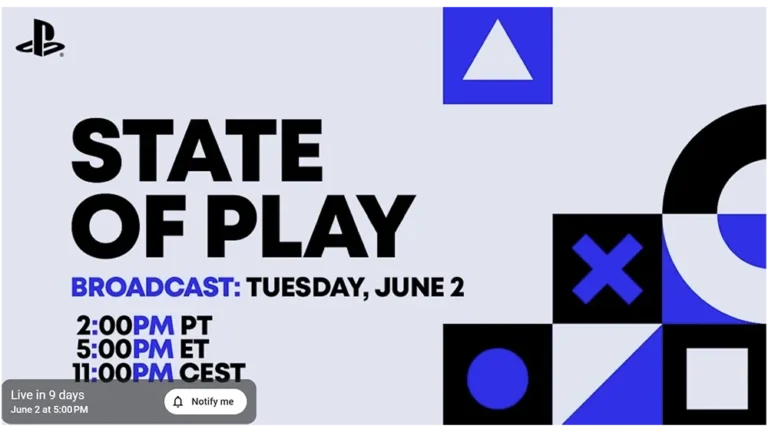
PlayStation is bringing State of Play back on Tuesday, June 2, and this one is not exactly a quick little update.
The broadcast will run for more than 60 minutes, with news, announcements, and gameplay reveals for games coming to PS5. That is a real show. Not one of those “please enjoy these three trailers and then go back to waiting” situations.
And to make things even more interesting, Sony is kicking it off with Marvel’s Wolverine.
So yes, people are going to be normal about this.
Obviously.
1. Marvel’s Wolverine Is Finally Getting A Proper Look
The biggest headline here is Marvel’s Wolverine. Insomniac Games is opening the show with a closer look at its upcoming third-person action-adventure game, and that alone gives this State of Play some weight.
Wolverine is one of those characters who needs to feel right. You cannot make Logan too clean. You cannot make him too soft. This is not Spider-Man swinging through New York, saving backpacks, and making jokes while everyone politely waits to be webbed to a wall.
This is Wolverine.
The combat needs to feel brutal, heavy, fast, and angry. Sony says the showcase will show Logan’s “brutal and relentless combat,” which is exactly the kind of language you want around this game. If Insomniac gets the weight of the claws right, this could be one of the most exciting Marvel games in years.
Also, the game now has a launch date. Marvel’s Wolverine is coming to PS5 on September 15.
That changes the whole feeling. This is not just some far-off game floating around in reveal trailer purgatory anymore. It is real now. It has a date. It has a marketing window. It has fans ready to inspect every frame like it contains national secrets.
Gaming is healthy.
2. The Showcase Runs For Over 60 Minutes
This State of Play is also longer than usual, with more than 60 minutes of updates, announcements, and gameplay reveals.
That is a lot of room.
Of course, that also means expectations are going to get dangerous very quickly. PlayStation fans can hear “60 minutes” and immediately start building a fantasy lineup in their heads that no real company could possibly satisfy.
One Wolverine segment suddenly becomes Wolverine, Ghost of Yotei, Bloodborne, God of War, Sly Cooper, Resistance, a new handheld, and somehow Knack 3.
This is how people get hurt.
Still, over an hour means Sony probably has a decent amount to show. We know Wolverine is the big opener, but the rest of the broadcast could include updates from third-party studios, indies, live service projects, and maybe a few surprises. And we really really hope there is a next God of War. Or maybe a Final Fantasy 14 expansion since it has been a while since an update.
That is the fun part. The dangerous part, but still the fun part.
3. When And Where To Watch
State of Play airs live on Tuesday, June 2.
The broadcast starts at 2:00pm PT, 5:00pm ET, and 11:00pm CEST. For Japan, it airs June 3 at 6:00am JST.
You will be able to watch it on YouTube and Twitch. The broadcast will be in English, with Japanese subtitles also available.
Pretty simple. Open the stream, lower your expectations to a responsible level, immediately fail, and then enjoy the trailers anyway.
A classic gaming evening.
4. Alamo Drafthouse Is Hosting Watch Parties
Sony is also partnering with Alamo Drafthouse for special live State of Play watch parties in the United States.
Tickets are free, but limited, which means this is one of those things where you probably want to grab one early instead of waiting and then acting surprised when they are gone.
The participating locations include:
Raleigh
Los Angeles
San Francisco Bay Area
Chicago
Dallas and Fort Worth
New York City
This is actually a fun idea. Watching a showcase at home is fine, but seeing Wolverine gameplay on a theater screen with a room full of people reacting to every claw swipe sounds much more dramatic.
Possibly too dramatic.
But that is part of the fun.
5. Co-Streamers Should Be Careful With Copyrighted Music
Sony also included a warning for co-streamers and creators.
The broadcast may include copyrighted content, like licensed music, that Sony Interactive Entertainment does not control. That means co-streams and VOD archives could run into issues depending on what appears during the show.
If creators are planning to save the stream, make recap videos, or repost clips, Sony recommends leaving out any copyrighted music.
Not exciting, but useful.
Nobody wants to spend the night reacting to Wolverine gameplay and then wake up to find their VOD has been smacked by the copyright goblin.
That is not gameplay. That is paperwork.
Final Thoughts
This State of Play already has one big reason to watch, and that is Marvel’s Wolverine.
Insomniac has earned a lot of trust with Marvel games, but Wolverine is a different beast. Spider-Man is fluid, charming, and acrobatic. Wolverine needs to be rougher. Meaner. More physical. More dangerous.
If Insomniac nails that feeling, this could be a huge PS5 release.
The rest of the show is still the mystery. Over 60 minutes gives Sony plenty of room to show new trailers, gameplay updates, and maybe a few surprises. Whether it ends up being a packed showcase or just a Wolverine-heavy event with some extras, it should be worth watching.
June 2 is looking like a problem.
A loud one.
Probably a bloody one.
And for PlayStation fans, probably a very good one.
May 2026 is looking pretty stacked. Not every month needs to be some massive holiday season situation to have good games, and this one has a nice spread. We have Batman in Lego form, two different space games that look like they could eat entire weekends, a life sim people have been waiting on for years, and a new James Bond game from the Hitman studio.
So yes, May is busy. Good busy. Dangerous-for-your-free-time busy.
1. LEGO Batman: Legacy of the Dark Knight
LEGO Batman: Legacy of the Dark Knight feels like the kind of idea that makes you wonder why it took this long. TT Games is taking decades of Batman stories, movies, comics, villains, gadgets, and general Gotham weirdness, then building it into a story-led open-world action adventure. The official site describes combat with combos and stealth techniques, while LEGO’s page says it launches May 22, 2026.
The big hook here is that this does not just look like another cute Lego game where Batman punches a few goons and everyone falls apart into plastic studs. It looks more like a full Batman adventure, only everybody happens to be Lego, which honestly is not a problem. If anything, that might make it better.
There is also a new Dark Knight Mode, which sounds like the developers know older players are watching this one closely. That is smart. Batman works for kids, adults, people who love detective stories, people who just want to glide around Gotham, and people who like watching The Joker get hit with a Batarang. That is basically everyone.
If this lands, it could be one of the most fun Batman games in years.
2. Starminer
Starminer is for people who look at space and think, “That is nice, but what if we industrialized all of it?” It is coming to Early Access on PC on May 27, 2026, and its Steam page lists it as a space sim built around mining, production, and large-scale systems.
The idea is simple, but also completely ridiculous in the best way. You build ships, manage a mining operation, automate production, and try to turn chunks of space rock into profit. But of course, space does not just politely hand you resources. The more you grow, the more problems you attract.
That is where it gets interesting. Starminer is not just about clicking on asteroids and watching numbers go up, although to be fair, a good number-go-up game can ruin sleep schedules by itself. This one mixes fleet management, defense, logistics, and space combat. So now your precious mining empire needs protection, because apparently hostile forces do not respect your right to extract every valuable mineral in the galaxy.
Rude, but understandable.
3. Paralives
Paralives has been on people’s radar for a long time, mostly because life sim fans are very ready for something that is not just the same household chaos with another pile of paid expansions attached. The game launches in Early Access on May 25, 2026, for PC and Mac, and the official site describes it as a life simulation game where you build houses, create characters, and manage their lives however you want.
The customization is the real reason people are watching this one. The build tools have been a major focus, with flexible home design, detailed character creation, and a strong “tell your own story” angle. That is the whole appeal of this kind of game. You are not just playing a campaign. You are building a little digital disaster and pretending you are in control.
Paralives looks quieter than some of the other games on this list, but that does not mean it is small. Life sims are dangerous. You sit down to build one kitchen, then suddenly it is three in the morning and you are adjusting window placement because the emotional balance of the house feels wrong.
That is real gameplay. That is also probably a cry for help, but it is gameplay.
4. SpaceCraft
SpaceCraft is another big space game coming in May, but it seems like it is chasing a different fantasy than Starminer. This one is from Shiro Games, the studio behind Dune: Spice Wars and Northgard, and it launches into Early Access on PC on May 20, 2026. Steam describes it as a large-scale multiplayer space sandbox with exploration, building, automation, trade, and cooperation.
This is the one for players who love flying through space, seeing a planet in the distance, and thinking, “Yes, I should absolutely go there and start a logistical nightmare.” That is the dream. SpaceCraft seems built around scale. You are not just making one little base. You are building ships, gathering resources, connecting systems, setting up supply chains, and probably losing track of time in a way that feels both productive and deeply irresponsible.
The appeal here is freedom. Fly around, mine things, build things, trade things, cooperate with other players, then realize the simple space trip became an entire infrastructure project. That sounds exhausting in real life. In a game, it sounds excellent.
This could be a serious time sink if the systems are strong enough.
5. 007 First Light
007 First Light might be the most interesting game here just because of who is making it. IO Interactive, the studio behind Hitman, is building a James Bond origin story where Bond is a young MI6 recruit trying to earn the number. The official site calls it a narrative action-adventure game, and IO confirmed it is scheduled to launch on May 27, 2026.
That studio and that character together just make sense. Hitman is already one of the best stealth playgrounds around. James Bond needs stealth, action, gadgets, social manipulation, and the ability to walk into a room like he owns the wallpaper. IO knows how to make spaces where players experiment, improvise, and cause extremely elegant problems.
The difference is that Bond is not Agent 47. He is louder, messier, more emotional, and more cinematic. That could be great. The game has to balance spycraft with spectacle, because Bond is not just about sneaking through vents. He also crashes cars, ruins formal events, gets into fistfights, and somehow still looks like he meant to do all of it.
If IO gets the balance right, this could be the Bond game fans have been waiting for.
Final Thoughts
May 2026 has a strong mix of games, and the variety is the best part. LEGO Batman gives us a big Gotham adventure with a lighter touch. Starminer and SpaceCraft are both space games, but one looks more like industrial survival with fleets while the other leans into flying, building, and massive multiplayer scale. Paralives is here for the life sim crowd that wants deeper customization. 007 First Light is trying to bring Bond back properly, and it has the right studio behind it.
That is a solid month.
For us, the biggest question is which one ends up stealing the most time. SpaceCraft has that “one more flight” problem. Paralives has the “one more room” problem. Starminer has the “one more mining fleet” problem. LEGO Batman has Batman, which is already unfair. And 007 First Light has IO Interactive making Bond.
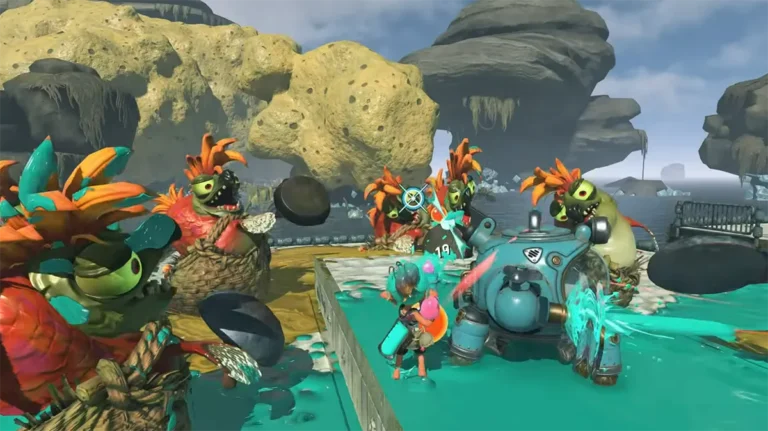
Splatoon Raiders is getting ready to make a serious splash when it launches on July 23, 2026, exclusively for the Nintendo Switch 2 system. Nintendo’s colorful ink-slinging world is moving in a fresh direction this time, with a new single-player-focused adventure built around treasure hunting, island exploration, and plenty of Salmonid-splatting chaos.
The latest trailer gives players a better look at what to expect from the game, from character creation to mechanical gadgets and fast-paced ink combat. It still has the style, energy, and weird charm Splatoon is known for, but Raiders looks like it is aiming for something more adventure-driven than the usual competitive setup.
Same World, New Adventure
Splatoon Raiders takes place in the same universe as the main Splatoon games, but this is not just another multiplayer-focused sequel. This time, you play as a mechanic working alongside Deep Cut, the swashbuckling musical trio fans will recognize from Splatoon 3.
Together, you’ll venture into the mysterious Spirhalite Islands, hunting for treasure, salvaging useful materials, and taking on hordes of aggressive sea creatures called Salmonids. It gives the game a strong expedition feel, mixing Splatoon’s colorful combat with a more focused adventure structure.
That shift could make Splatoon Raiders one of the more interesting Nintendo releases of 2026. The series has always had strong worldbuilding hiding behind the ink battles, and this looks like a chance to bring more of that personality to the front.
Gadgets, Ink, and Treasure Hunting
Customization seems to be a big part of the experience. Players will be able to change their appearance, equip mechanical gadgets, and use ink-splattering weapons to fight through enemy waves. The trailer leans heavily into movement, style, and colorful action, which is exactly where Splatoon tends to shine.
The mechanical angle also gives Raiders its own identity. Playing as a mechanic opens the door for gadgets, upgrades, and possibly more experimental combat tools than we usually see in the series. Nintendo has not revealed every system yet, but the footage suggests a game built around preparation, exploration, and stylish enemy encounters.
The Salmonids also look like a strong fit for this kind of game. They have always had a chaotic energy, and putting them at the center of a treasure-hunting adventure makes sense. Expect messy fights, bright ink explosions, and plenty of strange creatures getting in your way.
A Big Nintendo Switch 2 Exclusive
Splatoon Raiders launches only on Nintendo Switch 2, which makes it one of the system’s major upcoming exclusives. Nintendo is clearly positioning it as more than a side project. This is a new Splatoon game with a distinct focus, a fresh setting, and a release date locked for July 23, 2026.
For longtime fans, the appeal is obvious. More Splatoon, more lore, more Deep Cut, and a new kind of adventure. For newer players, the single-player focus could make this the easiest entry point into the series yet.
Final Thoughts
Splatoon Raiders looks like a bold move for the franchise. Instead of simply expanding the competitive side again, Nintendo is giving the series room to breathe as an adventure game. The Spirhalite Islands, treasure-hunting setup, gadget-based combat, and Deep Cut partnership all help it feel familiar but different.
If the final game can deliver strong exploration, satisfying upgrades, and the same stylish ink combat Splatoon is known for, this could be one of Nintendo’s standout Switch 2 games of 2026.
Splatoon Raiders launches July 23, 2026, exclusively on Nintendo Switch 2. Pre-orders are available now through Nintendo’s official store.
Voice matched to the structure and tone of the provided Console Game Stuff article.
Spring 2026 is shaping up to be one of the most stacked anime seasons in recent memory. Crunchyroll is bringing back major franchises while introducing a wave of new adaptations across fantasy, romance, and experimental storytelling.
From long-running giants like ONE PIECE to returning hits like Re:ZERO and Slime, the lineup blends familiarity with ambition. Whether you’re here for high-stakes isekai, grounded character drama, or offbeat concepts, this season has range.
We’ve gathered everything confirmed so far, followed by the ten biggest shows to keep an eye on.
Full Spring 2026 Lineup (So Far)
Returning Series & Major Titles
ONE PIECE (Elbaph Arc)
Re:ZERO -Starting Life in Another World- Season 4
That Time I Got Reincarnated as a Slime Season 4
Dr. STONE SCIENCE FUTURE Cour 3
Welcome to Demon School! Iruma-kun Season 4
Classroom of the Elite Season 4
Ascendance of a Bookworm (New Arc)
Rent-a-Girlfriend Season 5
Reborn as a Vending Machine Season 3
The Angel Next Door Spoils Me Rotten Season 2
The Beginning After the End Season 2
Wistoria: Wand and Sword Season 2
Dorohedoro Season 2
New Anime & Fresh Adaptations
Daemons of the Shadow Realm
Witch Hat Atelier
Agents of the Four Seasons: Dance of Spring
Go For It, Nakamura-kun!!
LIAR GAME
MARRIAGETOXIN
SNOWBALL EARTH
NEEDY GIRL OVERDOSE
GHOST CONCERT
Eren the Southpaw
Even a Replica Can Fall in Love
The Warrior Princess and the Barbaric King
The Drops of God
Kujima: Why Sing, When You Can Warble?
Kusunoki’s Garden of Gods
Botan Kamiina Fully Blossoms When Drunk
A Hundred Scenes of AWAJIMA
The Strongest Job is Apparently Not a Hero or a Sage
I Want to End This Love Game
I Made Friends with the Second Prettiest Girl in My Class
Gals Can’t Be Kind to Otaku!?
This is only part of the lineup, but it already shows how wide the season is in tone and scope.
Top 10 Most Anticipated Anime – Spring 2026
1. That Time I Got Reincarnated as a Slime Season 4
Rimuru’s story keeps expanding, but this season feels different. The scale is larger, the politics are heavier, and the idea of a unified world between humans and monsters is finally within reach.
What makes Slime stand out is how it balances power fantasy with diplomacy. Season 4 looks ready to push both. If it delivers, this could be the most complete version of the series yet.
2. Re:ZERO -Starting Life in Another World- Season 4
Re:ZERO returns with Subaru stepping into one of his harshest arcs yet. A desert setting, fractured alliances, and the looming presence of the unknown Sage all point to a more psychological direction.
The series thrives when it tightens pressure on its characters. Season 4 looks like it will do exactly that, with higher emotional stakes and less room for recovery.
3. The Beginning After the End Season 2
Season 1 laid the groundwork. Season 2 is where things start to break.
Arthur’s journey shifts from growth to consequence, and early details suggest a darker tone. The world opens up, but so do the risks. This is where the series either proves its depth or falls into familiar patterns.
4. Dr. STONE SCIENCE FUTURE Cour 3
This is the endgame.
After years of rebuilding civilization piece by piece, the final phase begins. The focus now is less on discovery and more on execution. Every invention, every alliance, everything leads here.
Dr. STONE has always been about momentum. This final cour needs to land with clarity and purpose.
5. Wistoria: Wand and Sword Season 2
Wistoria’s first season built its identity on contrast. Magic versus physical strength, talent versus effort.
Season 2 raises the stakes. The world becomes less forgiving, and the gap between power levels starts to matter more. If the combat evolves alongside the story, this could quietly become one of the stronger fantasy series this year.
6. Welcome to Demon School! Iruma-kun Season 4
Iruma continues its steady climb.
What started as a light, comedic take on demon school life has grown into something more structured. The ranking system, the competitions, the character progression all feel more intentional now.
Season 4 leans into that progression, especially with the Music Festival arc. It’s still playful, but there’s real payoff behind it.
7. Reborn as a Vending Machine, I Now Wander the Dungeon Season 3
It shouldn’t work. It still does.
The appeal of this series has always been its commitment to its premise. Instead of breaking it, it builds around it. Season 3 looks like it continues that approach with more worldbuilding and slightly higher stakes.
It’s not trying to be grand. That’s why it stands out.
8. The Angel Next Door Spoils Me Rotten Season 2
This is one of the quieter returns of the season.
The first season was carried by atmosphere and small emotional shifts. Season 2 builds on that foundation, focusing on what happens after the relationship becomes real.
There’s no rush here. Just progression, handled carefully.
9. ONE PIECE (Elbaph Arc)
Not new, but impossible to ignore.
The Elbaph Arc has been built up for years. Giants, legacy, and deeper lore all come into focus here. At this point, ONE PIECE isn’t just continuing. It’s consolidating everything it has been building toward.
It remains one of the most reliable long-form stories in anime.
10. Classroom of the Elite Season 4
Classroom of the Elite enters a different phase here.
The first three seasons were about control. Ayanokoji observing, calculating, and slowly positioning himself behind the scenes. Season 4 shifts that balance. The second-year arc introduces new students, new systems, and pressure that doesn’t play by the same rules.
What makes this season interesting is uncertainty. Ayanokoji is still ahead, but the gap feels smaller. Other characters are catching up, and the environment is less predictable. The mind games are no longer one-sided.
There’s also a stronger focus on consequences. Relationships are more fragile, alliances carry weight, and mistakes are harder to erase. The series is moving away from pure setup into something closer to payoff.
If it lands, this could be the most complete version of Classroom of the Elite. Not just a game of intelligence, but a test of how long control can actually last.
Final Thoughts
Spring 2026 isn’t just stacked. It’s layered.
You have long-running series reaching critical points, sequels trying to evolve beyond their foundations, and new adaptations testing different ideas. There’s a clear shift toward scale, but also toward refinement.
If you want consistency, shows like Slime, Re:ZERO, and Dr. STONE are safe bets. If you’re looking for quieter growth, Angel Next Door and Iruma-kun offer something different.
One thing is clear. This season isn’t just about what’s returning. It’s about how far these series are willing to push themselves.
A More Open Approach That Changes the Feel of the Series
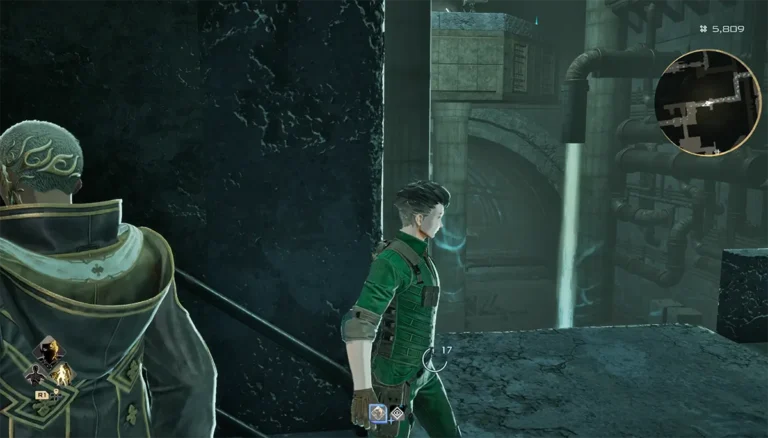
When the original Code Vein launched in 2019, the Soulslike genre was still finding its footing outside of FromSoftware. There were fewer alternatives at the time, and that helped the first game stand out despite some clear flaws. Its combat systems and build flexibility were interesting, but its level design often felt overly linear and repetitive. Much of the experience took place in narrow corridors and maze like spaces that limited exploration.
Code Vein II takes a noticeably different approach. Rather than locking players into the same tight environments, the sequel opens things up with larger areas and a more flexible structure. It is not a completely open world in the traditional sense, but the design is clearly moving toward something closer to what players saw in games like Elden Ring.
That shift changes the feel of the series in a meaningful way. Instead of pushing players down one path at a time, Code Vein II gives them more room to roam, discover side areas, and approach progression with a bit more freedom. For a series that once felt confined to corridors, that extra space makes a difference.
It may not always match the polish of the genre’s biggest names, but the change in direction is welcome.
Combat Still Centers on Customization
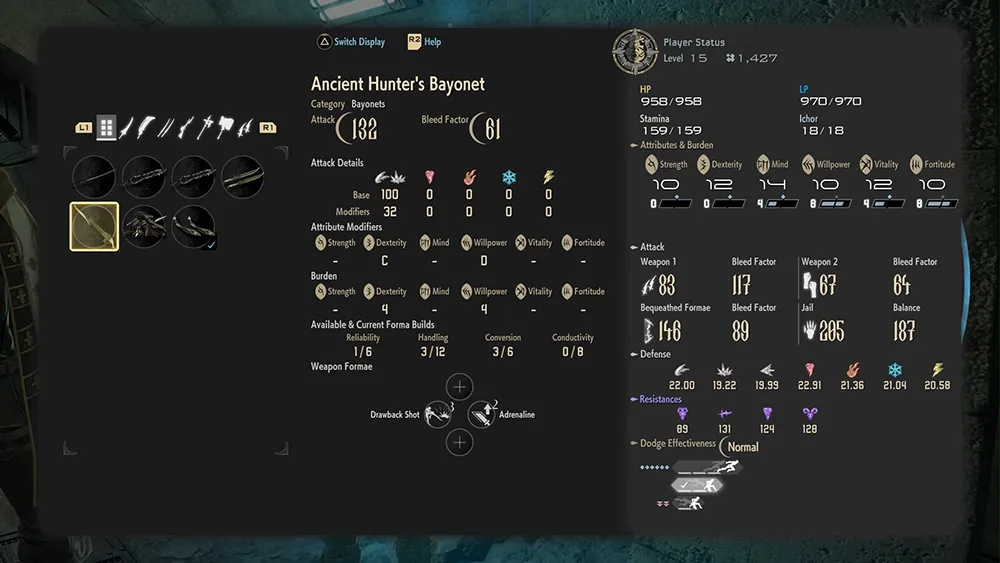
Like the first game, Code Vein II leans heavily into player customization. The Blood Code system returns, allowing players to swap between different builds that affect stats, abilities, and overall playstyle. Around that core system, the sequel adds more layers with new weapons, abilities called Formae, and the return of the Ichor based ability system.
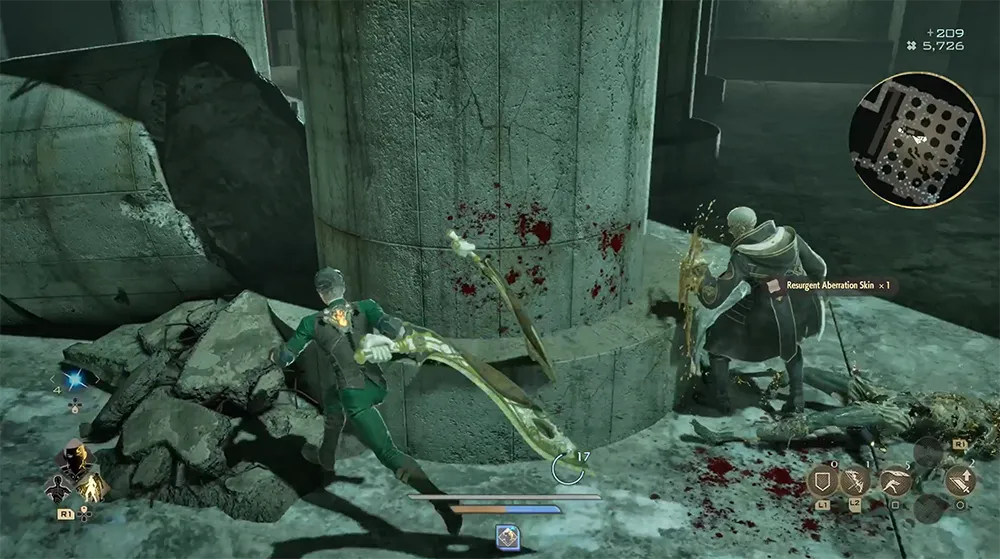
This flexibility remains one of the series’ biggest strengths. You can experiment with heavy weapons, faster dual blades, magic focused builds, or support abilities depending on how you want to approach combat. Switching builds is quick and encourages experimentation rather than locking players into a single style.
Drain Attacks also return, allowing players to steal Ichor from enemies and fuel powerful abilities. Managing that resource becomes a key part of the combat loop, rewarding players who stay aggressive and take advantage of openings.
The combat can still feel slightly stiff compared to the most polished Soulslike games, but the variety of builds and abilities keeps encounters interesting. Code Vein II gives players a lot of tools to experiment with, and that flexibility helps carry the experience forward.
Partners Play a Bigger Role Than Before
One of the defining mechanics of the series returns with an expanded partner system. Throughout the game you can bring along AI companions who assist in combat, draw enemy attention, and even revive you if you fall during battle.
These partners are more than just extra help. They fundamentally change the flow of combat. Having another character in the fight creates openings that would not normally exist in a traditional Soulslike encounter. While enemies remain aggressive and bosses still hit hard, partners give players breathing room that the original game often lacked.
Code Vein II also adds a mechanic that allows you to temporarily fuse with your partner, boosting your stats and granting a surge of power before sending them back into the fight. It adds another layer of strategy and reinforces the game’s emphasis on flexibility.
Some players may still prefer the challenge of going solo, but the game clearly expects most players to use these companions regularly. When used properly, they make battles feel more dynamic without removing the tension that defines the genre.
A More Open World Brings New Energy to Exploration
The most noticeable change in Code Vein II is how it handles exploration. The first game was often criticized for its maze like corridors and narrow pathways. In the sequel, environments are larger and more open, giving players space to explore rather than simply moving from one hallway to the next.
You can see influences from modern Soulslike design here. Larger areas connect through branching paths, optional encounters appear off the main route, and landmarks in the distance hint at where players might want to travel next.
It does not quite reach the scale or environmental storytelling of the genre’s biggest titles, but the shift toward a more open structure makes the experience feel less restrictive. Being able to move through larger spaces and approach objectives from different angles adds variety that the first game struggled to deliver.
The world design can still be rough around the edges, but the overall direction is a step forward. Code Vein II feels less like a series of corridors and more like a place players can actually explore.
A Story That Expands the World Through Time
The sequel also introduces a time travel focused narrative. Players work alongside a Revenant named Lou, traveling between the ruined present and the past in an attempt to stop a world ending catastrophe known as the Resurgence.
This structure allows the game to show two versions of the same world. In the present, the environment is broken and overrun with hostile creatures. In the past, players see these locations before they were destroyed, interacting with characters who will eventually shape the future.
It is an interesting idea that gives the story more structure than the original game. Meeting characters before their fate is sealed adds emotional context to the world and helps the narrative feel more personal.
The story is still delivered through a large number of cutscenes, which can slow the pacing at times, but the time travel concept gives the game a clearer narrative direction than the first Code Vein.
Boss Fights Remain a Mixed Experience
Boss encounters remain central to the experience, and they continue to deliver some of the game’s most intense moments. Many of these fights feature large enemies with powerful attacks and massive health pools, forcing players to carefully manage stamina, positioning, and ability usage.
The challenge level can fluctuate depending on your build and whether you bring a partner into the fight. Some bosses feel appropriately demanding, while others become easier once your character build fully comes together.
Even so, the spectacle of these encounters still provides memorable moments. Learning attack patterns, finding openings, and gradually gaining the upper hand remains one of the most satisfying parts of the experience.
While the bosses may not reach the iconic design seen in the very best Soulslike games, they still provide plenty of tension for players willing to learn their patterns.
Why Code Vein II Still Has a Place in the Genre
Code Vein II does not completely reinvent the Soulslike formula, but it does push the series in a healthier direction. The more open environments give the world room to breathe, the expanded combat systems add flexibility, and the partner mechanics provide a distinctive twist on the genre’s usual formula.
The game may not reach the same level of polish as the genre’s biggest names, but it succeeds in evolving the ideas introduced in the first Code Vein. It feels less confined, more ambitious, and more willing to experiment with how players approach combat and exploration.
For fans of the original game, this sequel offers a noticeably improved experience. For players who enjoy Soulslike combat but want a version of the formula that leans into character customization and anime style presentation, Code Vein II delivers a solid adventure.
It may not redefine the genre, but it gives the series the room it needed to grow.
As Xbox moves toward its 25th anniversary, Microsoft is already looking ahead to what the next era of its hardware will look like. The next generation console, currently known by the codename Project Helix, is beginning to take shape behind the scenes. While the system is still years away from launch, early details shared during the 2026 Game Developer Conference reveal a console that could fundamentally change how Xbox approaches hardware.
Project Helix is not simply about building a more powerful box for the living room. Microsoft appears to be rethinking the boundaries between console and PC gaming entirely. The goal is clear. A unified platform where Xbox games, PC titles, and cross device ecosystems exist together rather than as separate experiences.
If the vision comes together as planned, Project Helix could represent the most ambitious shift in Xbox hardware design since the brand first entered the console market.
A Custom AMD Architecture Built for the Future
At the core of Project Helix is a new custom system on a chip developed in partnership with AMD. Microsoft and AMD have collaborated on Xbox hardware for multiple generations, but this new design appears to be targeting a far more dramatic leap in capability.
The system will leverage next generation rendering technologies including an advanced version of AMD’s FidelityFX Super Resolution. Combined with new DirectX integrations, the hardware is designed to deliver major improvements in both visual fidelity and performance.
According to early technical details, Project Helix could deliver an order of magnitude increase in ray tracing capability compared to current Xbox hardware. That level of improvement would allow developers to simulate far more dynamic lighting, reflections, and environmental detail than current consoles can realistically handle.
More importantly, Microsoft is emphasizing efficiency and scalability. The architecture is designed to push rendering and simulation forward while still giving developers flexibility across devices and platforms.
This approach signals a console that is not just powerful, but deeply connected to the broader Xbox ecosystem.
Breaking Down the Wall Between Console and PC
Perhaps the most interesting element of Project Helix is how it approaches the relationship between Xbox and Windows.
For years, Microsoft has slowly blurred the line between its console and PC gaming ecosystems. Project Helix appears to accelerate that strategy dramatically. The console is designed to support both traditional Xbox titles and PC games within a unified experience.
That philosophy extends beyond the hardware itself. Microsoft is introducing something called Xbox Mode for Windows 11, a full screen interface designed specifically for controller driven gaming. The feature begins rolling out in select markets starting in April.
The idea is simple. Bring the familiarity of the Xbox interface directly to Windows without sacrificing the openness of the PC platform. Players can move between productivity and gaming environments seamlessly while maintaining a console like experience.
In many ways, Project Helix looks like the hardware expression of this strategy. A system where the boundaries between Xbox console and gaming PC become increasingly difficult to distinguish.
Designed for a Cross Device Xbox Ecosystem
Microsoft has spent the last several years building services that extend far beyond a single device. Xbox Game Pass, cloud gaming, and the Xbox Play Anywhere program have all contributed to a more flexible ecosystem where players can move between screens without losing progress.
Project Helix appears designed specifically to support that philosophy.
The Xbox Play Anywhere library now includes more than 1,500 games, allowing players to purchase a title once and access it across both Xbox and Windows platforms. Progress carries forward. Saves remain consistent. The experience moves with the player rather than remaining locked to a single system.
For developers, this unified approach could simplify development pipelines while expanding the potential audience for their games. One ecosystem. Multiple ways to play.
That idea has been central to Microsoft’s strategy for years, but Project Helix could be the hardware that finally brings it all together.
What the Timeline Looks Like
Despite the growing number of details, Project Helix is still very early in its lifecycle. Microsoft confirmed that alpha hardware will begin shipping to developers in 2027, allowing studios to start building and optimizing games for the new platform.
That timeline suggests the console itself is still several years away from reaching consumers.
Even so, the direction is becoming clearer. Project Helix is not just about delivering more power than the Xbox Series X. It is about redefining what an Xbox console actually is.
Why Project Helix Could Reshape the Xbox Platform
If Microsoft successfully executes on its vision, Project Helix could represent a major shift in how console gaming evolves in the coming decade.
Instead of competing purely on raw hardware performance, Xbox appears focused on building a unified ecosystem that merges console simplicity with PC flexibility. The next generation of Xbox hardware could function less like a traditional console and more like a gateway into a larger gaming platform.
For players, that could mean greater freedom in how and where games are played. For developers, it could create a more consistent environment across devices.
And for Xbox itself, Project Helix may mark the beginning of a new era where the boundaries between console, PC, and cloud gaming finally start to disappear.
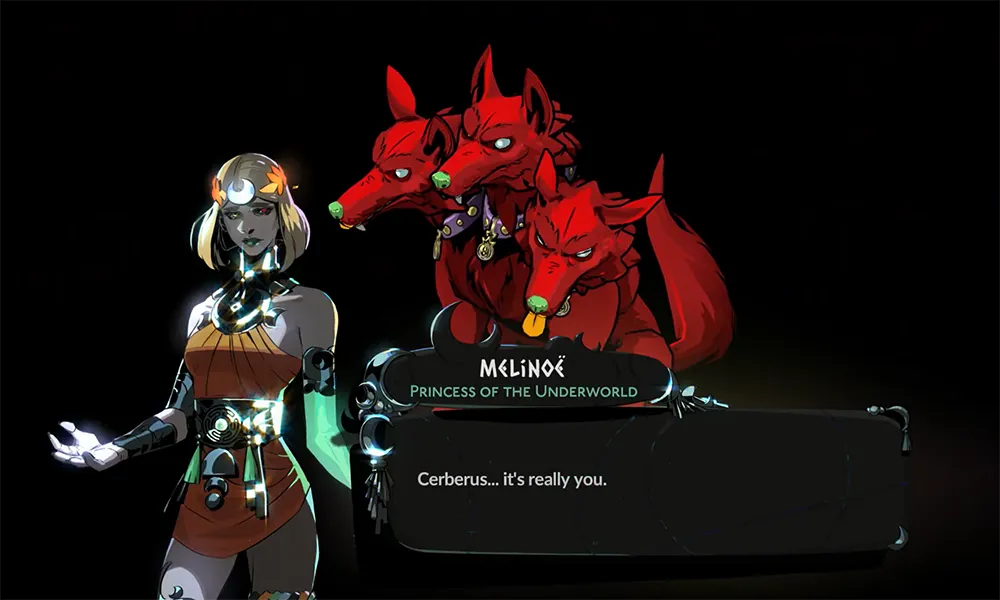
To defeat the Infernal Beast Cerberus in Hade 2, is simple if you understand his attack pattern and avoid his main attacks. If you follow these steps, you should be able to defeat him in the next 7 minutes. In Hades 2, Hephaestus is one blessing that truly makes your attack pattern. Several of his blessings include a 400 damage attack that comes with time or as an after attack.
Watch Strategy in Action: How to Beat the Infernal Beast Cerberus – Nintendo Switch 2 Gameplay – Hades 2
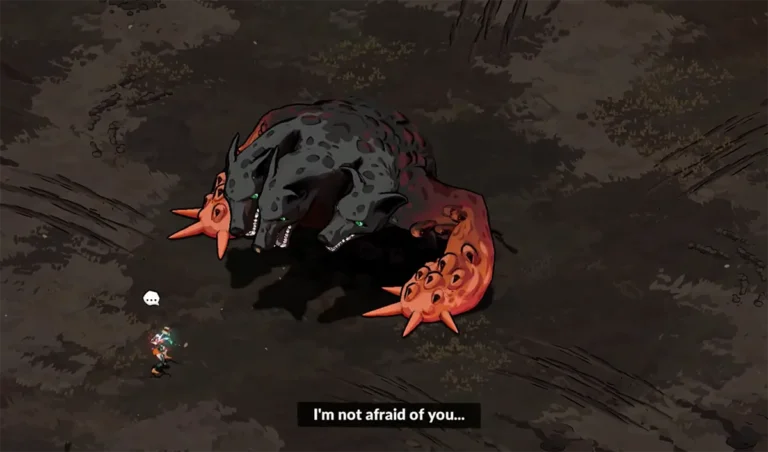
Melinoe says “I’m not afraid of you…”
Defeating the Infernal Beast Cerberus
Cerberus who is not the same pup from the first Hades game, is filled with rage and his attack pattern proves it. Watch for his attack patterns, and rush as much damage as possible. It is not advise to keep zipping around the field as the attack patterns might hit you.
The Infernal Beast Cerberus Attack Patterns
Attack Pattern #1 of is a hand slam that drops 5 – 8 glob like pink slimes that appears on the field and move around. Usually not close to Cerberus himself.
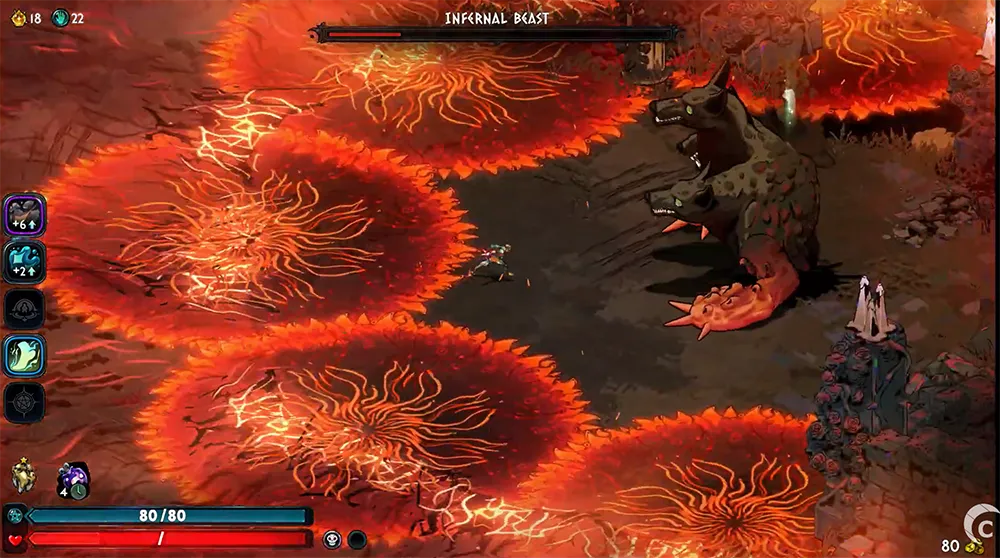
Attack Pattern #2 is a 3 circular attack in a triangle pattern, the creep out from the center in a vine like pattern and once complete, giant dogs jump out of them.
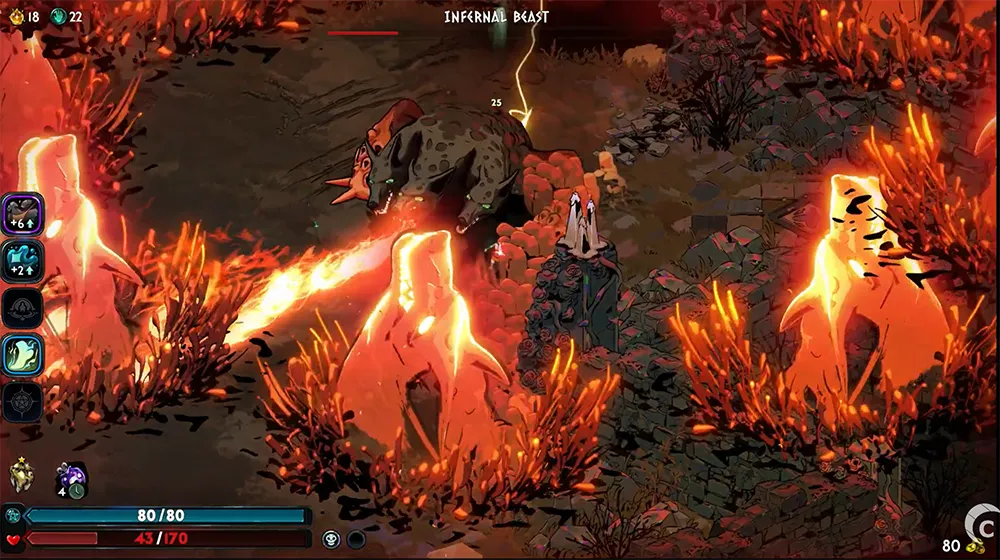
Attack Pattern #3 is a circular swipe with a wave of blood vein fire that spreads out in one direction.
Attack Pattern #4 is a direct hand reach slam attack from the front.
Attack Pattern #5 is Cerberus Vacuum attack that sucks in air pulling you toward him.
Attack Pattern #6 of attack is a ring around Cerberus of 8 smaller circles from the second attack, that stack on top of each other, and when complete has a Cerberus Head jump out and attack.
Melinoe says “Cerberus, come back…!”
At the half way point for Cerberus health bar, he will dig underground and summon monster minions to attack.
Attack Pattern #7 is a massive Circle attack based on 2 & 6 but bigger furies dog jump out and then has Cerberus jump out of it.
Attack Pattern #8 is a fireball attack spit from Cerberus
Attack Pattern #9 is a dash attack upfront by Cerberus toward you
Attack Pattern #10 is a circular attack like 2, 6 and 7 but the circles are in a triangle pattern, with Cerberus as its center and on him, with the outer 3 by 3 spinning counter clockwise until they stop and furies dogs jump out.
The Final Attack Pattern is patterns 6, 3 and 8 at the same time. So be ready.
Beating the Infernal Beast Cerberus
Fighting the Infernal Beast Cerberus is not difficult if your prepared with the attack patterns and take your time. Again zipping around the field is not recommend. run at normal speed, avoid him and attack him from behind. If you watched the YouTube video, How to Beat Infernal Beast Cerberus, you would see that avoiding his attacks are easy when you know they are coming. Save a little something for the half way point, as the attacks from the hordes of monsters might end you if you are not prepared. Finally watch for Cerberus’s Final attack pattern, as this can end you and then its sleeping with the Hypnos.
Battle Hints
Favorite in game several Attack Blessings from Hephaestus do 400 damage plus damage in the moment and post attack.
Keep moving but you do not need to be on the run the entire time. Watch for attack signals.
Leave a comment on YouTube if this helped you beat Cerberus.Melinoe says “Cerberus, its really you.”