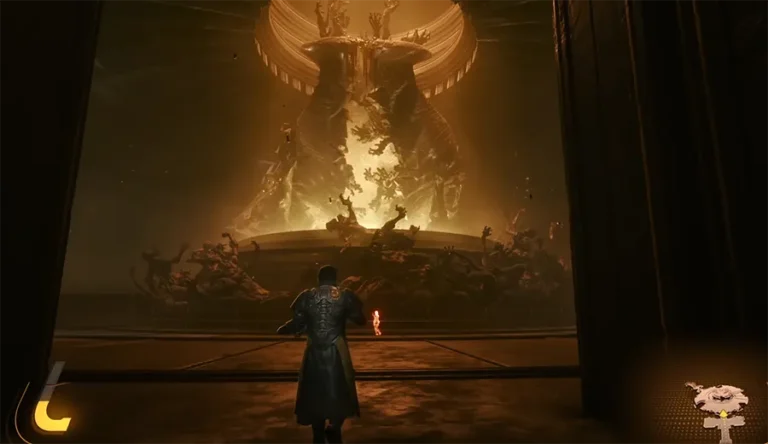
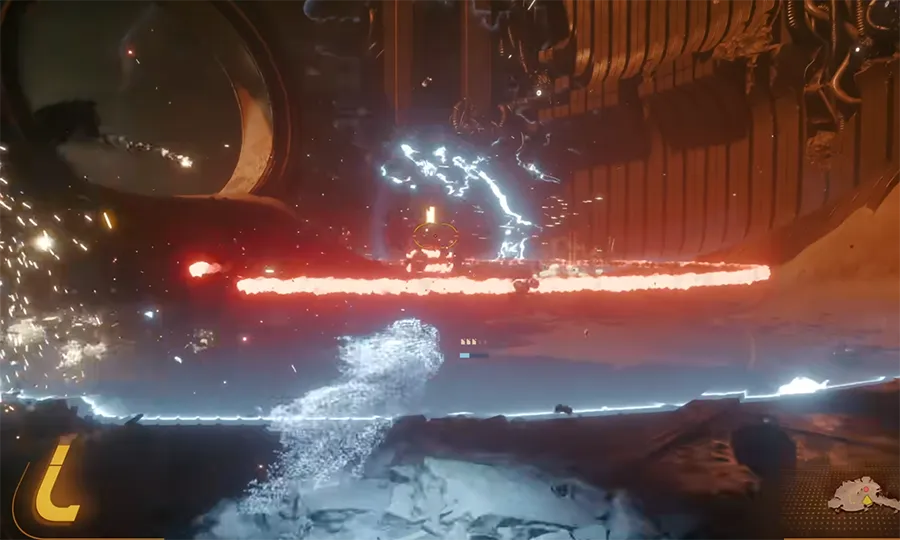
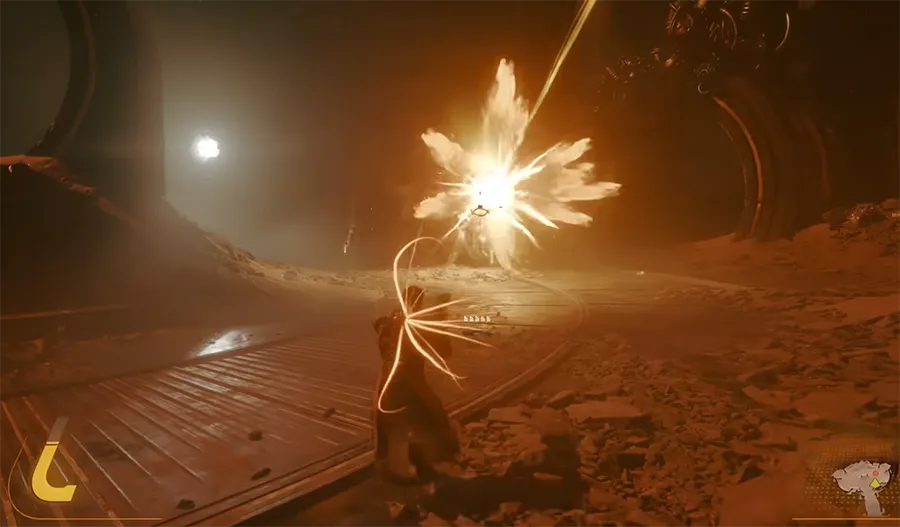
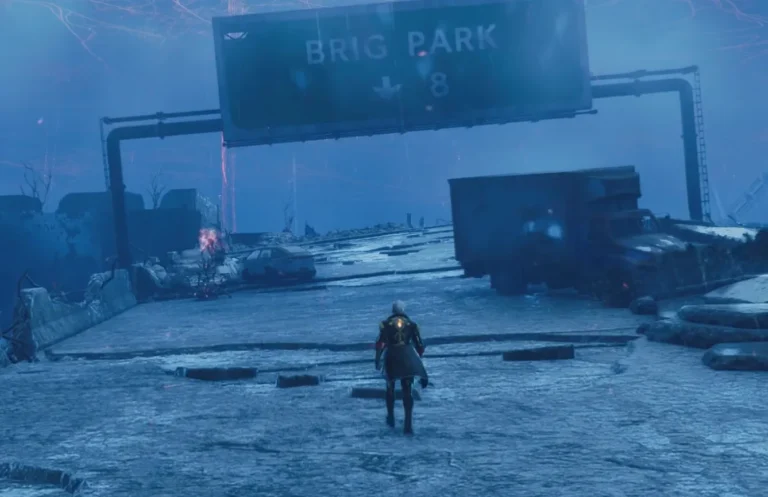
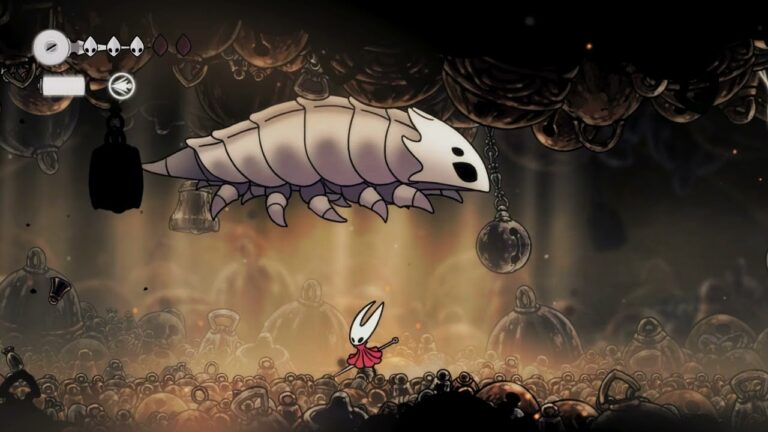
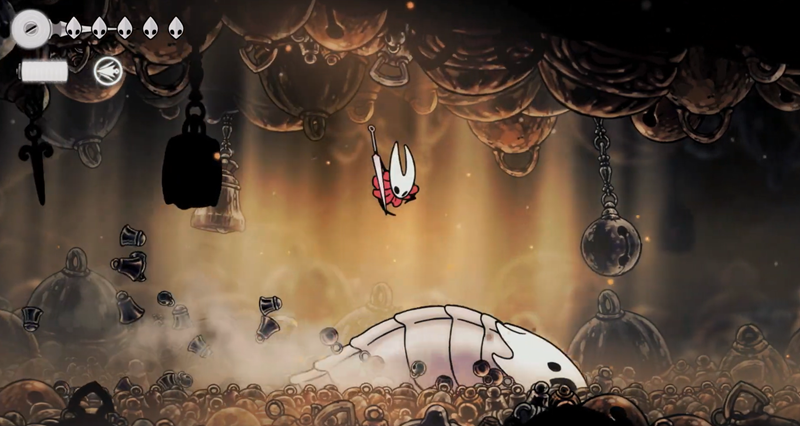
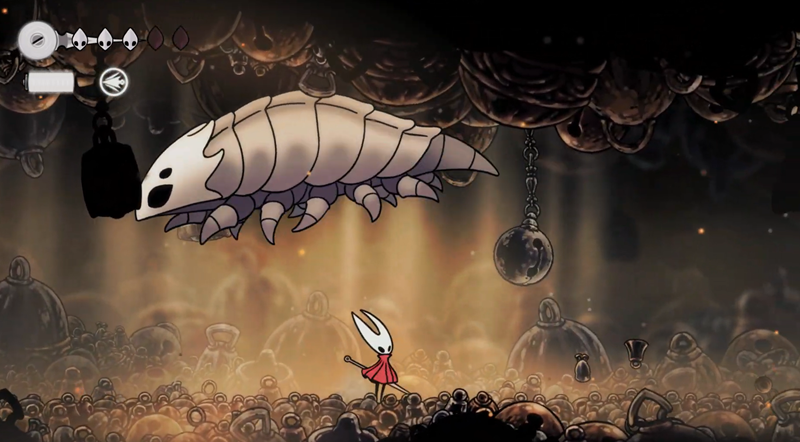
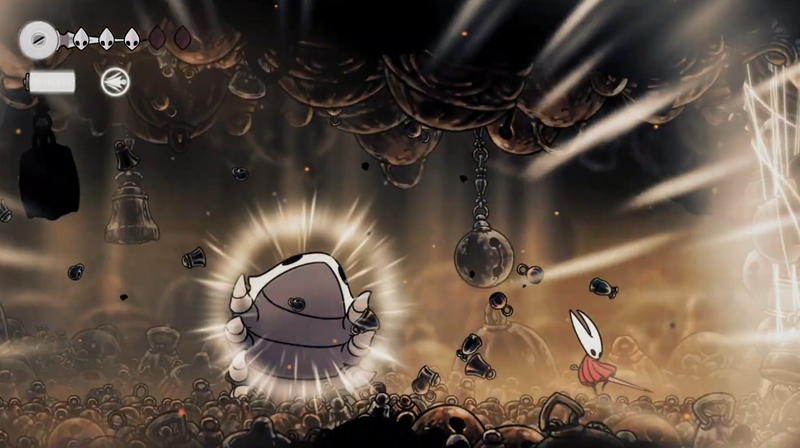
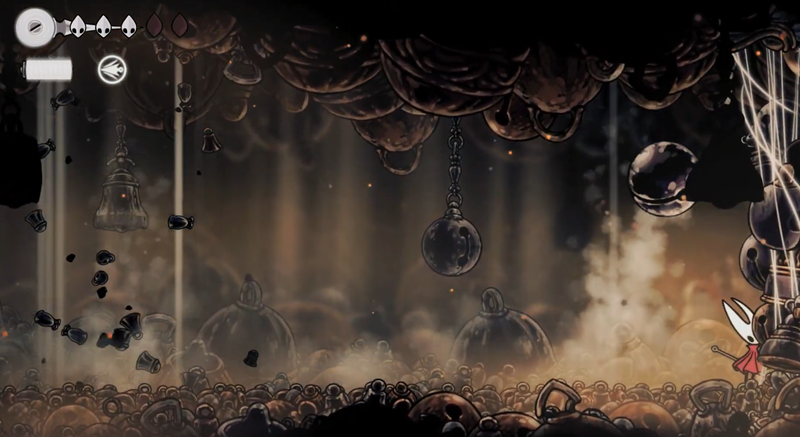
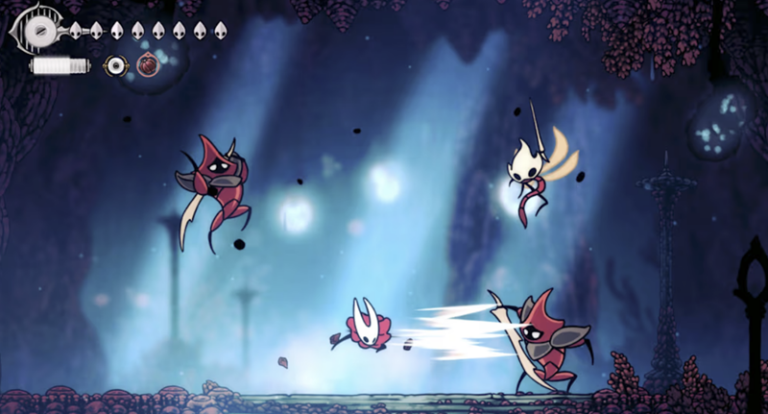
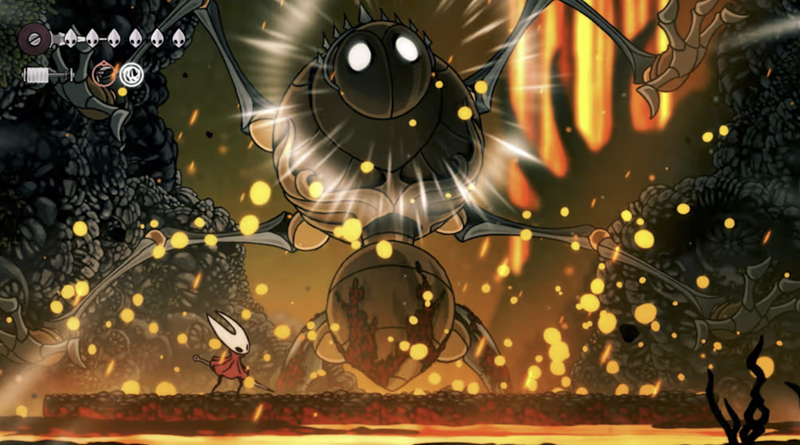
After a lot of anticipation from a loyal base, Hollow Knight: Silksong finally emerges as one of the best sequels in gaming in a long time. Hollow Knight didn’t initially release to a ton of fanfare, being a 2D game. However, over the years, it developed a very strong cult following. Players from all over the globe loved battling the twisted, gnarly creatures in frightening dark caverns. Silksong, the game’s long-awaited sequel, takes the action to a whole new level.
The First 4 Hours of Silksong – Battles and Boss Fights – Attacks to Master
If you were wondering, playing Silksong is exactly like how everyone is mentioning, and that it is difficult. Of course when you start out, you are without everything and so of course it can be difficult.
The Gist of the Game
As Hornet, a deadly and enchanting huntress, you are thrust into a new and exciting kingdom known as Pharloom. The exciting aspect here is that it’s sort of a warped mirror’s image of Hallownest, with a very haunting look and feel. The game stands out a lot by offering its own original and dangerous identity. From the labyrinth of gilded cities, and fungal forests, to deformed, deadly creatures, Team Cherry really knocked it out of the park with this sequel. You do not need a cutting-edge, expensive gaming PC to really enjoy a thrilling and chilling game.
Hornet strikes a player right away as acrobatic, graceful, and deadly. She’s nimble while also being able to launch powerful needle attacks, with combat that is surprisingly fluid for the franchise. Silksong does a much better job at creating a more responsive and realistic set of movements, so everything looks and moves better. This is a huge plus for the player as the game goes on, as you’re fighting everything from slick and quick assassins to huge hulking beasts. Be warned, however, that the difficulty level is what makes Hollow Knight stand out to gamers. This is the sort of game you will need to get used to, but it’s definitely a fun and unique experience once you get the hang of it. After you master the moves, it’s all about slicing through the landscape with Hornet. Her vicious ballet of brutality will light up your screen.
Huge Pros of This Sequel
When it comes to the positives in Silksong, one thing that has improved greatly is the ability to dodge and counter. Hornet is nimble and hard to hit, while also being incredibly deadly when she strikes back. This adds an element of timing that keeps a gamer glued to the screen.
There’s also so much about this game that’s more open, like the hidden paths, secret areas, and plenty of new locations to discover via the interconnected map. Overall, the game stands out as a fantastic gaming experience.
In the video gaming industry, successful franchises are often established with the success of an introductory title developed by a respected team. When Supergiant Games released the roguelike Hades during the pandemic, industry insiders expected a hit. At the time, members of the Hades development team had proven themselves as masters of the role-player game (RPG) genre with fun titles like Bastion, Transistor, and Pyre. Hades was the first roguelike title released by Supergiant Games; nonetheless, critics and players alike knew that it would be a hit. The game surpassed expectations to win almost a dozen awards in 2020, thus securing a top spot in video gaming history.
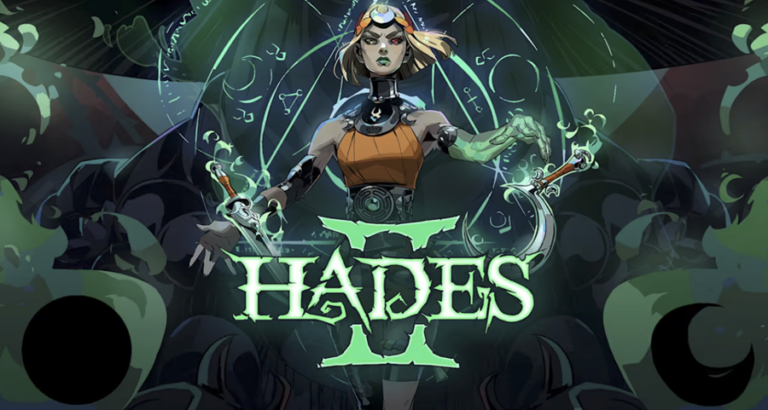
With the release of Hades II, the developers at Supergiant Games proved themselves as being fully capable of living up to expectations. There was some hesitation in the roguelike player community, which was justified by the sheer perfection of the original. The sequel does more than ride coattails; it builds upon the Greek mythology plot, introduces new gameplay mechanics, elevates the art direction, and rightfully earns all the critical acclaim it has received.
A Sequel That Stands On Its Own
The initial release of Hades II rolled out for the Apple macOS, Nintendo Switch and Switch 2, and Microsoft Windows platforms. The game was on the wishlists of many Hades fans who felt Supergiant Games would deliver; for this reason, the sequel arrived with a built-in fanbase. If you fell in love with Hades during the pandemic, you will surely enjoy its follow-up title. If you are new to the Hades universe, which unfolds in the Greek Olympian cosmos, there’s a good chance you’ll enjoy it enough to seek the original later.
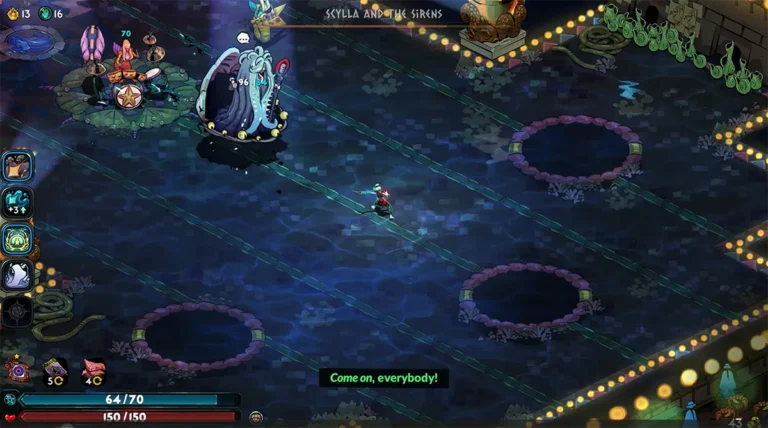
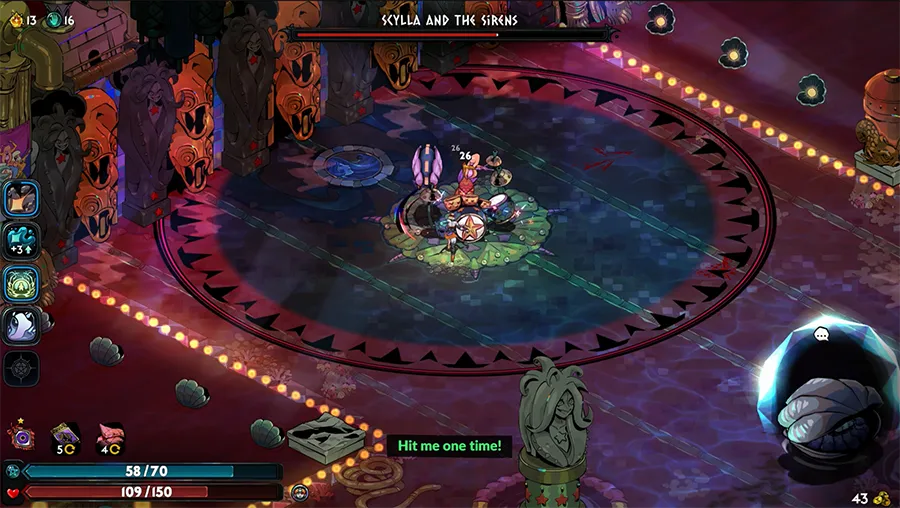
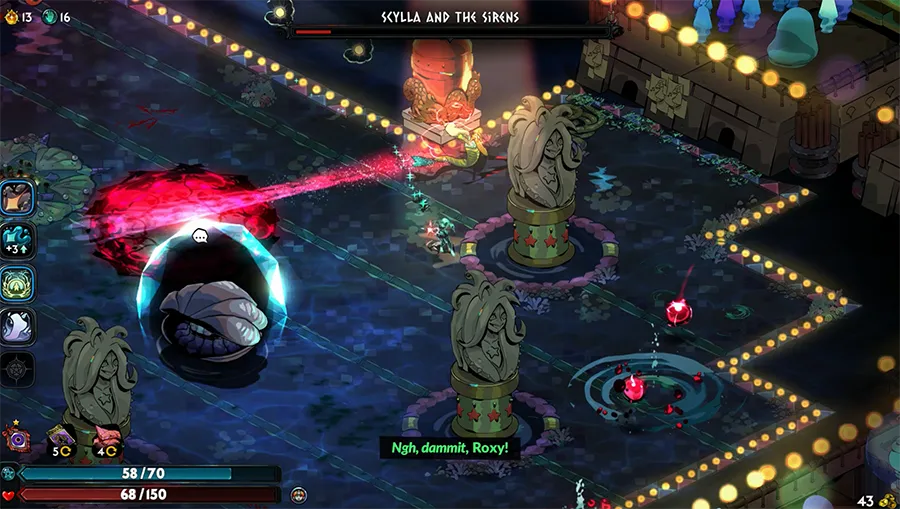
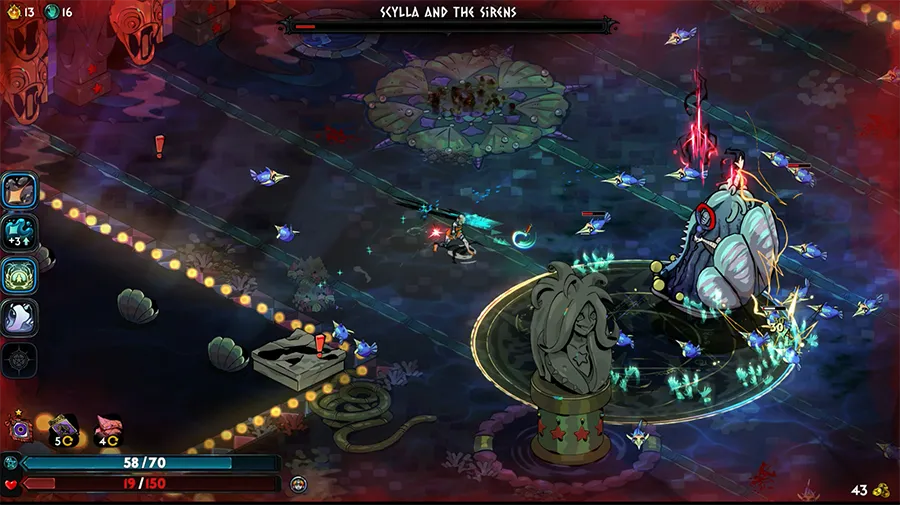
Hades II is an action-packed roguelike RPG with some dungeon-crawling features. It looks as gorgeous as the original, perhaps a bit more stylized. The cinematics and gameplay assets feature a look that blends modern anime, Y2K-like aesthetics, and classic Greek style elements. Many of the voice actors from the original returned for the sequel; the few new castings are highly complementary to the cast. The score by Darren Korb returns with new tracks that are more atmospheric, thus improving gameplay across many chapters.
You play the sequel as Melinoë, Princess of the Underworld, sister of Zagreus from the original game. Your mission is to prevent Chronos, the primordial god of time, from returning to wreak havoc and enact vengeance upon the Olympians. The plot is nicely driven by Greek mythology; Melinoë must navigate between the mortal, heavenly, and hellish realms as she battles hordes of mythological monsters, unethical gods, scheming demigods, and powerful bosses.
Narrative and Gameplay
The story is more linear than the original; it drives the plot with dramatic and fascinating flair as you hack, slash, grind for resources, solve puzzles, explore new sections, and become a more powerful player. As a creature of the underworld, you have many abilities to cast spells, deploy black magic, and summon terrifying specters; however, you must develop such dark arts progressively.
Is Hades II as captivating as the original? For passionate Hades fans, the sequel is almost as good. It suffers a bit from grinding, and the narrative feels rushed in some parts of the game. All in all, however, it is likely one of the best roguelike RPGs you can play now.
When it comes to games that divide, Death Stranding has always stood apart. Some dismissed the first entry as a “walking simulator,” while others hailed it as an avant-garde masterpiece. With Death Stranding 2: On the Beach, Hideo Kojima once again demands patience, but the reward is unlike anything else in gaming. I’ve spent more than 40 hours on PS5 immersed in its strange rhythm of deliveries, and the question that lingers—“Where should I deliver this?”—is less about parcels than about purpose. Is it worth the trek? The answer, as always with Kojima, is complicated.
Traversal: On Foot, By Bike, or Something Stranger
At the heart of Death Stranding 2 remains the question of how to cross landscapes that resist you. Going on foot is still the purest, most difficult form of traversal. The PS5 haptics make each stumble feel tactile—you sense the weight of the cargo pulling at your shoulders, every slip on wet stone echoing in the controller. It’s brutal, sometimes punishing, yet it captures a beauty in fragility. Walking forces you into intimacy with the environment, and the world answers back with quiet hostility and rare moments of serenity.
Vehicles, by contrast, are faster and smoother. At first, I relied heavily on them, thrilled by the speed, the wind rushing as Icelandic tundra or Australian plains blurred past. But speed comes at a cost. Vehicles tether you to flatter paths, limit exploration, and sometimes rob you of the connection between Sam and the world. A bike will get you there, but walking lets you arrive.
Later, gadgets and exoskeletons complicate the question further. They become tempting shortcuts, but each one risks undercutting the tension that defines Death Stranding. The game never hides its central dilemma: is the delivery about efficiency, or about the act of carrying itself?
The Story: Tragedy, Connection, and Endurance
The opening hours of Death Stranding 2 are among the most tragic I’ve experienced in a game. Kojima doesn’t shield you from loss; he sets it on your shoulders, heavy as any cargo. Lou’s absence — or rather the echo of her absence — lingers over every step, and it becomes difficult to move forward not because of difficulty, but because of grief. This is not just a narrative hook; it is a burden, one that makes the simple act of delivery feel almost cruel in its insistence.
As the hours unfold, the story shifts into something quieter, less driven by spectacle than by reflection. Sam is not a hero now but a weary figure, asked to walk again despite all that he has lost. Fragile’s return offers some solace, and new companions aboard the DHV Magellan give shape to a fractured sense of community. Characters like Dollman, Tomorrow, and Rainy widen the frame from solitude to ensemble, though the silence between them still hangs heavy. For some, these chapters will feel slow. For me, they felt like breathing space — long pauses where the game asked not “what happens next?” but “what are you willing to carry?”
Pros and Cons of Delivery Systems
Much like comparing payment processors, delivery methods in Death Stranding 2 each come with their trade-offs.
On Foot
Pros: Maximum immersion; intimacy with the world; most rewarding when successful.
Cons: Slow, physically draining (both for Sam and the player’s patience); higher risk of failure.
Vehicles (Bikes, Trucks, Mechs)
Pros: Fast, efficient; essential for long distances or heavy cargo.
Cons: Limited access; less emotional resonance; mechanical glitches occasionally disrupt the ride.
Assisted Systems (Floating Carriers, Robotic Helpers)
Pros: Reduce burden; allow creative strategies; good for larger-scale connections.
Cons: Can undercut the core tension of fragility; less personal; sometimes buggy in crowded terrain.
Ultimately, the choice of how to deliver isn’t mechanical but philosophical. Do you want to experience the pain of the journey, or the relief of its completion? Kojima forces you to choose again and again, and in that repetition, meaning emerges.
Who Should Deliver How?
For players new to Kojima’s worlds, the vehicles will feel like a blessing. If you value efficiency and prefer action over introspection, lean on the bikes and trucks. They provide enough thrill to counter the stillness, and their utility is undeniable.
For veterans of the original Death Stranding, walking remains the truest form of engagement. Every stone you balance across, every slope you conquer, echoes what made the first game unforgettable. These players—those who find beauty in slowness—will know that the delivery is not about what you carry, but that you carry.
And for those who want a hybrid experience, the gadgets and assisted carriers open new strategies. These tools strike a middle ground, allowing you to manage larger missions without losing all sense of vulnerability. They’re not perfect, but they expand the scope of play and underline Kojima’s fascination with how technology both connects and isolates us.
Final Thoughts
Death Stranding 2: On the Beach is not for everyone. If you struggled with the first, nothing here will convert you. The pacing is slow, sometimes glacial, and the tragedies of its story can weigh too heavily. Yet for those willing to surrender to its rhythm, this sequel delivers something rare: a game that makes you feel the act of moving, of carrying, of enduring.
The PS5 performance is stellar, the soundtrack unforgettable, and Norman Reedus’ portrayal of Sam may be the best of his career. But beyond graphics, beyond mechanics, Death Stranding 2 asks a question no other game dares: where should we deliver our burdens, and why?
For me, after forty hours, the answer was simple. I delivered them into the game itself, and came out lighter.
Spring 2025 didn’t quite live up to the hype. While Solo Leveling Season 2: Arise from the Shadow and Shangri‑La Frontier Season 2 wrapped up Winter 2025 on a high note, the momentum didn’t fully carry over into the following season. That said, all eyes are now on Summer 2025. With a strong lineup of returning favorites and intriguing originals, Crunchyroll’s upcoming slate looks set to restore the excitement. Here’s a preview of the most anticipated series—plus a full release schedule—so you don’t miss a thing.
Top 5 Contenders for Summer 2025
Dandadan Season 2 (July 3) — The Netflix Pickup to Watch
After a stylish and supernatural first season, Dandadan returns with more chaos, absurd humor, and kinetic animation. Now picked up by Netflix in Japan and streaming on Crunchyroll internationally, this season is expected to delve deeper into the bizarre world of ghosts, aliens, and teen psychic drama. With Studio Science SARU back at the helm, the series continues to blend genre madness with heartfelt character moments. While its streaming home may have changed, Dandadan’s momentum hasn’t—and it’s one of the strongest bets to top charts in July.
The Rising of the Shield Hero Season 4 (July 9) — A Franchise Mainstay
Naofumi’s journey has had its highs and lows, but Season 4 aims to steer the ship back toward its Season 1 success. This installment teases a new arc with heightened stakes, a larger supporting cast, and hopefully a return to the tighter pacing that made the original run resonate with fans. Crunchyroll has been the franchise’s home since its inception, and fans who stuck around through the rougher patches are hoping this season makes the loyalty worth it. Given its legacy and built-in audience, Shield Hero S4 is almost guaranteed to be a top-five show this summer.
The Water Magician (July 3) — The Sleeper Hit with Serious Potential
An original fantasy drama with breathtaking visuals and a mysterious premise, The Water Magician is generating serious early buzz. With a tone that appears to blend Made in Abyss’s tragic beauty and Vivy’s philosophical depth, this show could be the breakout dark horse of the season. If it balances narrative clarity with its visual ambition, it may become the kind of series that dominates discourse by the halfway mark. Definitely one to watch closely—it might not just be top five material; it could be the standout.
I Was Reincarnated as the 7th Prince… Season 2 (July 9) — The Power Fantasy That Keeps Giving
Season 1 of 7th Prince caught many off guard with its sleek animation, overpowered protagonist, and sheer commitment to magical mastery. Season 2 looks to expand that world with new rival factions and higher magical stakes. It’s not breaking new ground conceptually, but few shows lean into their core concept with this much confidence and production value. If it keeps delivering high-octane wizard duels and slick character development, 7th Prince could easily land in the top five again.
Reborn as a Vending Machine, I Now Wander the Dungeon Season 2 (July 2) — Quirky, But Surprisingly Deep
The title might be silly, but Vending Machine won hearts with its clever worldbuilding and genuine emotional beats. Season 2 continues the story of Boxxo and Lammis as they traverse deeper levels of the dungeon, facing new threats and uncovering more mysteries about the world and Boxxo’s origins. It may not be a mainstream favorite, but the consistency of tone and character growth could secure it a loyal viewership and strong midseason rankings.
Potential Top 7 Contenders
A Couple of Cuckoos Season 2 (July 8) — Rom-Com Resurgence
While not quite a critical darling, A Couple of Cuckoos proved itself a serviceable romantic comedy with plenty of drama, miscommunications, and heartwarming moments. With a second season continuing the tangled web of relationships and mistaken identities, it has the potential to crack the top seven, especially among fans of Nisekoi-style storytelling. Its success will hinge on pacing and whether it can evolve past some of Season 1’s repetitive beats.
Scooped Up by an S-Ranked Adventurer and Made Into a Princess (July 5) — Charming, Oddly Wholesome
One of the more unique new titles this season, this fantasy-romance mashup offers a refreshing blend of adventure and cozy slice-of-life. With endearing character dynamics and a story that emphasizes growth and mutual care over action for action’s sake, Scooped Up could quietly charm its way into the top seven. It’s a great option for viewers looking for something gentle but engaging amid all the high-stakes anime airing in July.
Complete Summer 2025 Crunchyroll Release Schedule
Early Launches (June 28 – July 2):
Takopi’s Original Sin | June 28 – Lord of Mysteries | June 28 – Detective These Days Are Crazy! | July 1 – Necronomico and the Cosmic Horror Show | July 1 – Rent-a-Girlfriend Season 4 | July 1 – Clevatess | July 2 – New Saga | July 2 – Reborn as a Vending Machine, I Now Wander the Dungeon Season 2 | July 2
Main Wave (Starting July 3):
Dandadan Season 2 | July 3 – The Water Magician | July 3 – Welcome to the Outcast’s Restaurant! | July 3 – KAMITSUBAKI CITY UNDER CONSTRUCTION | July 3 – Onmyo Kaiten Re:Birth Verse | July 3 – Secrets of the Silent Witch | July 4 – Arknights: Rise from Ember | July 4 – Watari-kun’s ****** Is About to Collapse | July 4 – Betrothed to My Sister’s Ex | July 4 – My Dress-Up Darling Season 2 | July 5 – Rascal Does Not Dream of Santa Claus | July 5 – With You and the Rain | July 5 – The Shy Hero and the Assassin Princess | July 5 – Scooped Up by an S-Ranked Adventurer | July 5 – Private Tutor to the Duke’s Daughter | July 5 – Kaiju No. 8 “Hoshina’s Day Off” | July 5
Mid-July Premieres:
Gachiakuta | July 6 – Nyaight of the Living Cat | July 6 – Toilet-bound Hanako-kun Season 2 | July 6 – Hotel Inhumans | July 6 – Apocalypse Bringer Mynoghra | July 6 – Cultural Exchange with a Game Centre Girl | July 6 – Ruri Rocks | July 6 – Grand Blue Dreaming Season 2 | July 7 – Dekin no Mogura: The Earthbound Mole | July 7 – Turkey! Time to Strike | July 8 – A Couple of Cuckoos Season 2 | July 8 – The Rising of the Shield Hero Season 4 | July 9 – I Was Reincarnated as the 7th Prince… Season 2 | July 9 – Dealing with Mikadono Sisters Is a Breeze | July 10 – Dr. Stone Science Future Part 2 | July 10 – Solo Camping for Two | July 10
Final Thoughts
Summer 2025 is shaping up to be a recovery season for Crunchyroll after Spring’s weaker slate. Anchored by sequels to high-performing series like Dandadan, Shield Hero, and 7th Prince, along with promising newcomers like The Water Magician and quirky hits like Scooped Up, the variety and strength of this season are hard to ignore. While not every show will hit, there’s more than enough potential here to keep anime fans tuning in weekly.
If Spring 2025 was a dip, Summer could be the bounce-back we were all hoping for.
Apple’s annual operating system updates are always a hot topic, especially when it comes to compatibility. This year, iOS 26 and iPadOS 26 promise a number of groundbreaking features, including the much-anticipated Apple Intelligence suite, a redesigned interface, and deeper AI integration. But as with every major update, not all devices make the cut. Whether you’re a longtime Apple user or deciding whether to upgrade, this guide breaks down everything you need to know about compatibility, dropped devices, and what features you can expect based on your model.
iPhones Compatible with iOS 26
With iOS 26, Apple is once again narrowing its compatibility list to focus on newer, more powerful devices. Starting with the iPhone 11 series, all models moving forward are eligible for the update. That includes the iPhone 12, 13, 14, 15, and the upcoming iPhone 16 series. All second-generation and newer iPhone SE models also make the cut. If you’re using any of these devices, you’re in luck—you’ll be able to take full advantage of the latest iOS features, including design upgrades and performance improvements. However, not all models will support every new feature. Apple Intelligence, for instance, will be limited to newer, high-performance devices. More on that later.
What’s notably missing this year are the iPhone XR, iPhone XS, and iPhone XS Max. These devices, all powered by the A12 Bionic chip, will not receive iOS 26. This marks a significant departure from previous years where Apple continued support for older hardware well beyond expectations. If you’re currently using one of the A12 models, it’s a good time to start considering an upgrade—especially if you’re interested in accessing future innovations like Visual AI, live on-device translation, and Apple’s smarter multitasking capabilities. In summary, iOS 26 is more selective, aligning its software capabilities with hardware that can fully support them.
Apple Intelligence: Which iPhones Support It?
While iOS 26 rolls out to a wide range of devices, Apple Intelligence is a different story altogether. The advanced feature set, which includes real-time visual analysis, on-device large language models, and smarter multitasking, is only available on select models. Specifically, the iPhone 15 Pro and iPhone 15 Pro Max are the oldest devices to support it, thanks to their A17 Pro chip. Naturally, the upcoming iPhone 16 series will also come with Apple Intelligence fully integrated.
This exclusivity is not just a marketing strategy—it’s a necessity. Apple Intelligence requires significant processing power and neural engine bandwidth, which only the newer chips can handle. For users on older iPhones—even the iPhone 15 and 14 series (non-Pro models)—this means missing out on features like advanced visual lookup, contextual Siri responses, and the new 3D Lock Screen. While the standard update still brings design refinements and app improvements, the lack of Apple Intelligence may feel like a big loss for those hoping for cutting-edge enhancements. If you’re serious about future-proofing your phone, now might be the time to go Pro.
iPadOS 26: Compatibility and New Requirements
Turning to iPads, the story is similar. iPadOS 26 supports a healthy list of tablets but draws a harder line on what’s left behind. Supported models include the iPad mini 5th generation and newer—including the just-announced mini 7 powered by the A17 Pro. The standard iPad is compatible from the 8th generation and up, covering a wide range of use cases from education to media consumption. The iPad Air 3 and newer are supported as well, including the latest M2 and M3 models. When it comes to iPad Pro, you’ll need an 11″ (1st gen and up) or a 12.9″ (3rd gen and up) model to run iPadOS 26.
As expected, the 7th generation iPad and older are no longer supported. These legacy models, while still functional for basic tasks, simply can’t keep up with the performance demands of newer operating systems. This year, Apple is placing a much bigger emphasis on device speed, display performance, and memory capabilities—especially with the roll-out of Apple Intelligence and multitasking upgrades. So, if you’re using an older iPad, you may want to consider upgrading not just for compatibility but for a more fluid user experience overall.
Which iPads Support Apple Intelligence?
Apple Intelligence is not universal across all iPads either. Only higher-end models will support these advanced capabilities. This includes any iPad Air model running on the M1 chip or newer, and all recent iPad Pro models powered by M1, M2, or the just-released M4 chip. The new iPad mini 7 also makes the cut, thanks to its A17 Pro chip. These models will benefit from the full spectrum of features—contextual search, smarter multitasking layouts, generative AI summaries, live visual object recognition, and more.
Users with older A-series chips, even on otherwise supported devices, will still get the core iPadOS 26 update but without access to the more demanding intelligence features. This hardware segmentation is becoming a clear pattern for Apple, and it’s something users should take seriously when deciding on future purchases. If your workflow involves productivity, creative work, or accessibility features, these improvements could be more than just bells and whistles—they could redefine how you use your iPad entirely.
Release Timeline and What to Expect
iOS 26 and iPadOS 26 were officially announced during Apple’s WWDC keynote on June 9, 2025. The developer beta is already live, giving developers early access to the new tools and UI changes. A public beta is expected by mid-July, which will allow anyone with a supported device to test the update. The final, stable release is projected for mid-September—likely around September 16, based on Apple’s usual fall schedule.
The updates will introduce several major improvements beyond compatibility. Expect to see the new “Liquid Glass” design language across iPhones and iPads, improved multitasking support, and faster app responsiveness. Apple Intelligence is undoubtedly the headline, but even users without Pro-level hardware will benefit from smoother animations, updated Messages and Mail apps, and enhanced privacy settings. Apple continues to refine both performance and aesthetics, striking a balance between polish and power that’s hard to ignore.
TL;DR: What You Need to Know
iPhones Supported by iOS 26: iPhone 11 and newer, including SE (2nd gen+), iPhone 12 through 16. Not Supported: iPhone XR, XS, XS Max.
Apple Intelligence on iPhone: Exclusive to iPhone 15 Pro/Pro Max and all iPhone 16 models.
iPads Supported by iPadOS 26: iPad mini 5+, iPad 8+, iPad Air 3+, and iPad Pro 11″ (1st gen+) / 12.9″ (3rd gen+). Not Supported: iPad 7 and older.
Apple Intelligence on iPad: Only on M1/M2/M4 iPad Pro, M1+ iPad Air, and iPad mini 7.
Timeline: Developer beta – June 9, 2025 Public beta – Mid-July Official release – Mid-September 2025
Still unsure if your device will be eligible for the update? Want to explore how Apple Intelligence might change your workflow? Or maybe you’re interested in getting into the beta program early? Let us know, and we can walk you through your specific device’s capabilities or help you get set up for what’s next.
PlayStation’s latest State of Play delivered a packed showcase with 25 titles ranging from brand-new IPs to long-awaited sequels and enhanced classics. Whether you’re into high-stakes tactical RPGs, nostalgic brawlers, mind-bending VR, or a charmingly clumsy walking simulator, there was something here for nearly every kind of player.
Let’s break down the highlights, demos, release windows, and most exciting reveals from the event.
Puzzle, VR, and Emotional Sci-Fi
Lumines Arise (PSVR2) The showcase opened with a mesmerizing musical puzzle experience, Lumines Arise, which evoked comparisons to Tetris Effect. With hypnotic visuals and immersive sound, this PSVR2 exclusive promises to blur the line between gameplay and art. A demo is coming later this summer.
Pragmata (Capcom – 2026) Capcom resurfaced Pragmata, a hauntingly beautiful sci-fi action game set in a post-Earth conflict where a man and a young girl named Diana—who can hack robots—fight to survive. The emotional script and polished visuals suggest it will be one of Capcom’s most story-driven titles yet.
Dark Action and Horror
Romeo is a Deadman (2026) A stylish, over-the-top action game featuring zombie fights, laser swords, and chaotic quips. Romeo is undead, sarcastic, and full of rage—and the aesthetic is somewhere between Devil May Cry and Deadpool.
Silent Hill f (Sept 25, 2025) A psychological horror entry set in Japan. Players take on the role of Heinako, a schoolgirl fighting monstrous versions of her former friends using a crowbar and spear. It’s poetic, bloody, and hauntingly beautiful.
Blood-Stained: The Scarlet Engagement (2026) A side-scrolling action RPG that follows a holy order fighting through hellish beasts to stop a demon lord. Think Castlevania meets Dark Souls with anime flair.
Nostalgia Reborn and Fan Favorites
Final Fantasy Tactics: The Ivalice Chronicles (Sept 30, 2025) A remastered collection featuring both the original and an enhanced version of the classic 1997 tactical RPG. Fully voiced dialogue, upgraded visuals, and gameplay refinement will give both old fans and newcomers something to savor.
Metal Gear Solid 3: Snake Eater Remake (Sept 5, 2025) A cinematic reimagining of Kojima’s survival stealth masterpiece, built for the PS5 with modern visuals and sound design that stays loyal to the original.
Mortal Kombat: Legacy Kollection (2025) A digital preservation effort bringing back early-era Mortal Kombat titles with enhanced controls—including compatibility with the original stack controller. Nostalgia meets functionality.
Twisted Metal 3 & 4 (July 15, 2025) Coinciding with the second season of the Twisted Metal TV show, this re-release adds online multiplayer and modern polish to the classic vehicular combat mayhem.
New Gameplay Concepts and Indies
Baby Steps (Sept 8, 2025) A physics-based comedy game where you play Nate, a man who must literally learn to walk again. It’s equal parts absurd, heartfelt, and brilliant. If QWOP had an emotional arc, this would be it.
Hirogami (Sept 3, 2025) Transform into origami animals to navigate the world and solve puzzles. This innovative platformer from Bandai Namco Singapore is a blend of creativity and emotion, with a paper-folding mechanic at its core.
Sword of the Sea (Aug 19, 2025) From the creators of Abzû and The Pathless, this surfing exploration title invites you to flow through ancient ruins and discover a forgotten world.
Cairn A brutal mountaineering survival experience where every step is a tactical decision. Balance, stamina, and weather are your real enemies. A demo is available today.
Major Franchise Returns
Nioh 3 (Early 2026) Team Ninja returns with a brutal action RPG rooted in Japanese folklore. The third entry adds new spirit systems and a faster, more punishing combat loop. A demo is out now.
Ninja Gaiden: Ragebound (July 31, 2025) A spiritual successor with dual protagonists from rival clans. Expect flashy swordplay, demonic enemies, and a soundtrack that echoes the legacy of the original series.
Theif VR (Vertigo Games – PSVR2) Stealth and immersion combine in this VR reimagining of the classic Thief series. Every flick of the wrist counts when you’re pulling off high-stakes heists in virtual reality.
Story-Driven Worlds
Tides of Tomorrow (Feb 2026) A narrative multiplayer game with branching storylines, moral dilemmas, and rich character arcs. Ideal for co-op players who want choice-driven consequences.
Sea and Remnants (2026) An oceanic post-apocalyptic world with a haunting atmosphere and a cryptic narrative. Few details were shared, but it made a visual impression.
Ghost of Yotel (July 2025) Set in feudal Japan, this stealth-action game appears to continue the legacy of Ghost of Tsushima with new characters and lore.
Digital Conflict and Thematic Depth
Digimon: Storytime Stranger (Oct 2025) A deep dive into the digital world’s collapse, where the line between virtual and real is breaking. Titans, world trees, and chosen children collide in what may be the franchise’s most emotionally intense game yet.
FBC: Firebreak (June 17, 2025) A co-op shooter set in the world of Control. Investigate paranatural threats with two other agents in an expanding, ever-morphing reality.
Deus Ex (PS2 version) (June 17, 2025) The iconic immersive sim returns as part of the PS Plus Classics catalog. Revisit a future shaped by conspiracy and cybernetic augmentation.
Marvel’s Ambitious Return to Fighters
Marvel Tokon: Fighting Souls (2026) A bold, 4v4 tag fighter developed by Arc System Works. Characters like Iron Man get mech-style anime redesigns, and gameplay blends assist dynamics with leader-swapping chaos. It’s Marvel fighting at a scale we haven’t seen before—and it looks amazing.
Final Word: 007 Returns
First Light 007 (2026) A young James Bond navigates his origin story in the Royal Navy and learns the ropes of spycraft before becoming 007. With a narrative focus, military training mechanics, and espionage roots, this is Bond like we’ve never seen him.
Final Thoughts PlayStation’s June 2025 State of Play wasn’t just a reel of trailers—it was a confident statement about where the platform is heading: bold reboots, deep stories, risky concepts, and reverence for legacy. Whether you’re chasing nostalgia or future-forward innovation, there’s a game here for you.
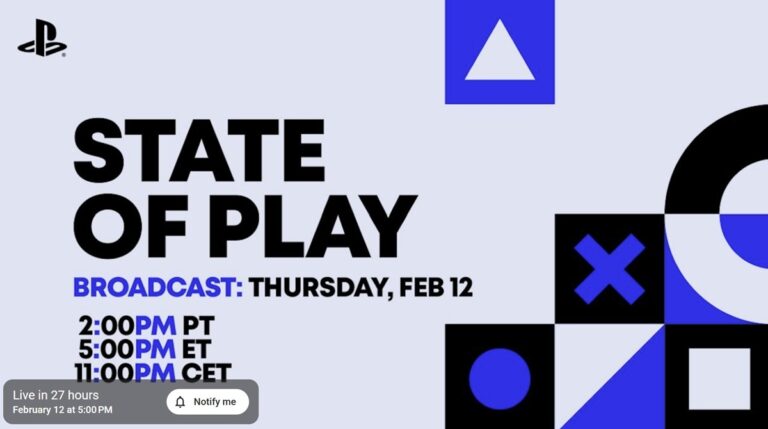
State of Play is happening today, June 4 at 2pm PT / 5pm ET / 11pm CEST. State of Play’s are historically segments of a games, hardware and updates coming to PlayStation. With Nintendo Switch 2 console releasing soon, there are hopes that Sony will cover new games coming later this year and possibly handheld updates within their Portable. Watch later to see what’s to come.
State of Play YouTube Video For June 4, 2025 at 5pm YouTube Video
After countless rounds and gameplay, we finally think we have the key to beginning Elden Ring: Nightreign because we all wish we had started this way. Hi, this is Leo from Eos Faction, and today on Console Game Stuff, we will take you through 7 beginner tips for playing Elden Ring: Nightreign.
Recommend Solo Playing Before You Play with Others
Let’s face it, this advice should be a given. Yes, it’s exciting to jump right into gameplay, but if you’re not ready, you’ll find your team bailing before the day even begins. So, play solo.
Get a lay of the land and concepts around enemies.
Level, level, level. Leveling up at a level point is a must to beat bosses. Getting to level 5 by the time you fight the Day 1 night boss is important to stand your ground. Getting to level 10+ is important on Day 2 boss battle because you’re fighting the Day 3 boss right afterwards.
Do a lot of searching for chests and battles underground or inside buildings to avoid missing out on key upgrades needed to reach the Night Lord.
Try different characters. Get a feel for starter weapons and changing weapons as the game progresses.
Practice climbing walls and how to get up huge hills with high jumps. Last thing you want is to start down a closing circle and get trapped on the edge of a cliff. (We’ve done that)
Find the weapon upgrade and merchant in the field to recognize on the map. If you don’t find an awesome weapon to change to, upgrading your main weapon is a must or you can’t defeat anyone.
What you should do at the round table
Use the practice area in the back — it’s a great way to get warmed up. You can spawn an enemy there to test out your weapons, practice combos, and get used to dodging and parrying without the pressure of a real battle. It’s perfect for getting your timing down before heading into tougher fights.
Don’t miss the Small Jar Bazaar. It might not look like much at first, but they actually sell useful items that can give you an edge when starting out. Stock up on basic tools, throwables, and maybe even a rare item or two to help you survive those early encounters.
And make sure to talk to the Hood Maiden if you come across a timepiece. Give it to her — and don’t worry, you don’t lose it. Doing so unlocks something valuable later on, and it can kick off a chain of upgrades or lore that’s worth exploring.
Gameplay & Player Dynamics
The gameplay dynamics are randomized each round, and your experience can be drastically impacted by the team you’re matched with.
Some players are all about themselves — they’ll rush off solo and either get themselves killed or somehow win the whole thing without coordinating.
Other times, players actually stick together, and one person takes the lead, guiding the other two into strategic battles or loot-heavy areas.
The bosses you face at the end of each day are just as varied as the landscapes you’re dropped into. No two runs feel the same, and that’s part of what makes the game so replayable.
Weapons spawn randomly, so it’s important to be on the lookout for what you need. Don’t expect to find your favorite weapon every time — adapt to what you can get your hands on.
After you’ve played solo 3 to 5 times, you’ll likely unlock some Relic Rites. These can be added to your character slot to enhance your gameplay with permanent boosts.
There are attribute boosts tied to physical stats or elemental power.
Some Relics reduce cooldown times.
Others give bonus effects depending on the type of enemies you’re fighting.
There are also boosts for magic, incantations, and weapon attacks.
A few relics even start you off with specific items right out of the gate.
Keep in mind: not every character can equip every type of Relic. Start by focusing on one type that matches your playstyle, then experiment with others as you go.
Other players in game
Most players I play with don’t think much about team party dynamics. Most just stick with their favorite character — which often means two players end up using the same one. Most of the time, that character is Executor. There’s nothing wrong with that, but we’ve found that having a diverse team makes boss battles a lot easier. A well-rounded group with a ranged attacker (Ironeye), a heavy damage dealer (Guardian), and an agility-focused fighter (Executor) can really help you push through each day more efficiently.
Why Ironeye Is Key in Every Party
So I’ve played all the characters, and I’ve noticed that no one ever picks Ironeye — even though he’s crucial in boss battles. Sure, you should always be fully leveled and equipped with strong weapons, but in a fight, Ironeye can draw the boss’s attention and take the heat off your team. Since you’re usually positioned far away, a well-timed charged attack from your greatbow can pull aggro, causing the boss to focus on you or rush Ironeye instead.
This strategy is perfect for situations where a teammate is down — it gives you a chance to revive them or lets them recover without pressure. Plus, Ironeye’s ultimate attack can be devastating if you’ve built up enough charge. Honestly, playing Ironeye makes a real difference in team play, and he’s become my go-to character.
Boss Battle Tactics
So you’re facing a boss — either one you’ve found or summoned — and it’s the three of you. You’ve got this. The long-range attacker should stay at a distance, focusing on consistent damage and clearing out summoned minions. The heavy damage attacker needs to stay in the thick of it, landing powerful hits and looking for weak points in the boss’s response. Most bosses have a vulnerability on their lower left or right backside — unless they have a counter swipe that can reach behind them.
Meanwhile, the agility-focused fighter should be darting in and out — rushing, attacking, backing off, and re-engaging while circling the boss. It might sound generic, but if you’ve played enough, you know this strategy works.
If You’re Ironeye in a Boss Battle
Once again, favoring Ironeye here can be the key to winning boss battles.
First, reviving your team from a distance. Since reviving a teammate requires striking them, Ironeye can do this early using a short bow — without needing to run through the boss to reach them. Countless times, I’ve been able to bring teammates back without drawing the boss’s aggro, just by staying smart with distance and timing.
Second, drawing aggro strategically. Like I mentioned earlier, your heavy and agility attackers are deep in the fight. But once I switch to my great bow and land a hit, the boss nearly always turns toward me — either rushing in or firing off a ranged attack. That gives my team the breathing room they need to either regroup or land some serious damage.
Finally, landing ultimate attacks safely. Since Ironeye fights from a distance, you can unleash your ultimate without being interrupted. If you time it right, you’ll take a serious chunk out of the boss’s health bar without ever taking a hit.
Just remember: once you draw aggro or let off your ultimate, your priority should be dodging and repositioning. Don’t get greedy. Taking shots up close or waiting too long to react can get you knocked out fast. You can switch to a sword if needed, but it won’t hit nearly as hard as a fully charged bow shot.
While we’re not quite popular enough to receive early access to games, based on what we’ve seen so far, our first impression is that Elden Ring: Nightreign feels like a fusion of Elden Ring and Tribes of Midgard—and yes, we love that. Much like Tribes of Midgard, the game begins with a fight against major bosses as the time limit runs out, and instead of a shrinking barrier, the playable area contracts due to weather effects. Also similar to TOM, progression allows you to unlock skills that carry over into later gameplay. Early on, you might focus on building up your core abilities before diving into boss battles. The way you enhance your build through skill acquisition ultimately determines how much of a threat you become in the game.
Elden Ring Nightreign Basics
Elden Ring Nightreign has everything you loved about the first title plus so much more. If you’re like most gamers, then Limgrave was your favorite part of the original Elden Ring. The open world area gives you so much space to explore that it’s hard not to fall in love with it.
All of Elden Ring Nightreign takes place in that area, which is now christened Limveld. The entire region is procedurally generated, which means the game uses a sophisticated form of artificial intelligence to constantly give you new content. That makes the single-player mode worth playing, though there’s a good chance you’re going to spend most of your time playing cooperatively.
Three players can join a team to take on a final boss. They’re given three in-game days to prepare before they have to face a truly wicked entity. Anyone who’s heard of Ishizaki Junya knows that he brings some reall devilshy boss designs to every title he’s ever worked on. As well as the original Elden Ring, Ishizaki worked on the first and third Dark Souls games as well as Bloodborne. Everything from the look of the bosses to the sneaky way they attack shows influences from those other titles.
Rather than feeling derivative, though, Elden Ring Nightreign takes all this inspiration and creates something totally new out of it. Some of these twists are actually quite unexpected. As you fight alongside other players, for instance, you’ll notice that the gameplay area shrinks they way it does in a battle royale title. Each time your team defeats one of the minor bosses that show up at the end of an in-game day, the playing field resets and returns to its original size.
Elden Ring Nightreign Game Semantics
Perhaps the best part of Elden Ring Nightreign is its sheer speed. The first two in-game days only ever take around 15-20 minutes. Whenever the sun is out, you’ll get time to run around enemy camps and loot them. The only puzzles you’re presented with can be solved in 10 seconds or so. Once you get used to the game’s rhythm, you’ll be able to blow through the daylight sessions in almost no time. Leveling up is as easy as hitting a single button.
Even dying isn’t a huge issue in Elden Ring Nightreign. Slashing at the lifeless body of a player is enough to bring them back to life as long as someone in your party is still alive and kicking. You’ll even be able to hop on the back of a spectral bird if you find that the map’s closing circle is about to shut your character in.
That makes it easy to pick up and play Elden Ring Nightreign, but that doesn’t mean it’s not a challenging game. The combination of a strong online multiplayer mode with automatically generated surroundings means that no two playthroughs will ever look alike. As a result, even the most jaded online gamer will keep coming back no matter how many monsters they send to an early digital grave.
Elden Ring Nightreign Conclusion
As a conclusion, we are all in with Elden Ring Nightreign. I’m sure at first, it will be about figuring our your character choice (you should have 3), spend the first 10 play through’s, figuring out your fighting style, and acquiring base buildups to enhance your standard game play. Finally, strategize based on your team, if they seem like they are going off on their own, then prioritize building your build versus trying keep pace with them. Stay tuned for gameplay videos, boss battle tips and walkthroughs.
Super Earth is under siege. The Heart of Democracy update brings the battle home, quite literally. The Illuminate faction—long speculated and recently confirmed—has launched a full-scale assault on the urban centers of Super Earth. This isn’t just another seasonal refresh. It’s a major turning point in the Galactic War, and it fundamentally changes how Helldivers 2 plays. In this article, we’ll break down the major content additions, gameplay changes, and lore developments brought in this latest expansion.
The Battle Reaches Super Earth
For the first time in Helldivers 2, the war has made landfall on Super Earth itself. Cities once shown only in propaganda are now playable battlegrounds. Players must fight street-to-street in high-density urban environments filled with civilians. Friendly fire penalties are harsher, and every stray bullet might hit a non-combatant. This shift pushes squad coordination and precision to the forefront, making random matchmaking riskier and more chaotic. The new urban terrain adds verticality and environmental complexity never before seen in the game’s previous mission biomes.
New Enemy Threats: The Illuminate Return
The long-awaited Illuminate faction makes its official debut with this update. Their unit lineup includes new types such as the Crescent Overseer, a scout-class enemy that can phase through walls; the Stingray, a deadly aerial unit with EMP bursts; and the grotesque Fleshmob, which appears to be an amalgamation of lost citizens corrupted by Illuminate tech. These new enemies require players to rethink their loadouts and stay mobile. Unlike the Terminids or Automatons, the Illuminate lean into stealth and psychological warfare, often using misdirection, teleportation, and confusion fields to gain the upper hand.
Enhanced Weapon Customization
To level the playing field against these formidable enemies, Arrowhead has introduced a revamped weapon customization system. Players can now mix and match scopes, grips, magazines, and even alternate firing modes. Each modification impacts key stats like recoil, accuracy, reload speed, and damage output. These upgrades are unlocked via new missions and war bond progressions introduced in the update. This system adds depth to progression and makes gearing up feel more personal and strategic.
SEAF Troops Join the Fight
Another major addition is the inclusion of AI-controlled Super Earth Armed Forces (SEAF) units. These troops now appear in missions, offering backup during heavy firefights. While they aren’t as effective as live players, they can draw aggro, revive teammates, and secure objectives. Players can issue basic commands to SEAF squads, which adds a tactical dimension to defense missions and resource runs. This is the first step in Arrowhead’s hinted plan to make missions feel more like real-time battles within a global warfront.
Planetary Defense Cannons & Urban Objectives
New mission types revolve around locating and activating Planetary Defense Cannons (PDCs). These massive weapons are critical for repelling the Illuminate’s aerial assaults. Players must find them scattered across mega-cities, restore power, and hold the location through multiple waves of enemies while the cannon calibrates. Failure to defend the PDC means losing that part of the city—and potentially tipping the balance in the Galactic War. It’s a game mode that blends tower defense, resource management, and frantic last-stand energy.
The Satire Remains Strong
Despite the darker tone of this expansion, Helldivers 2 hasn’t lost its comedic edge. The trailer’s voiceover once again mocks the absurdity of military propaganda. Lines like “We will turn our streets into our battlefield, our playgrounds into our theater of war” strike a perfect balance between inspiring and ridiculous. The satire continues to be a cornerstone of the franchise’s identity, ensuring that even in the face of mass destruction, there’s still room for biting commentary about authoritarianism and blind nationalism.
Join the Fight
The Heart of Democracy update is live now, and the war for Super Earth has never felt more personal. With new biomes, new enemies, deeper mechanics, and expanded lore, Arrowhead has proven they’re committed to evolving the game beyond its original scope. This expansion is not just a content drop—it’s a statement. Managed democracy must be defended, at all costs. Grab your stratagems, call in your support, and make your drops count. Super Earth needs you more than ever.
It’s been two years since The Legend of Zelda: Tears of the Kingdom first graced our Nintendo Switch consoles, and yet, its allure remains undiminished. This sequel to the groundbreaking Breath of the Wild not only expanded upon its predecessor’s open-world formula but also introduced innovative mechanics that continue to captivate players. As we revisit Hyrule, it’s evident that Tears of the Kingdom has solidified its place as a modern classic, offering both nostalgia and fresh adventures.
A World Reimagined
At first glance, Tears of the Kingdom might seem like a familiar journey through Hyrule. However, the game’s introduction of sky islands and the subterranean Depths transformed the landscape into a multi-layered playground. These additions provided new challenges and exploration opportunities, ensuring that even seasoned adventurers found surprises around every corner. The sky islands, with their floating terrains and unique puzzles, offered a fresh perspective, while the Depths introduced a darker, more perilous environment that tested players’ courage and resourcefulness.
Innovative Gameplay Mechanics
One of the standout features of Tears of the Kingdom is the Ultrahand ability, which allows players to manipulate and combine objects in unprecedented ways. This mechanic, reminiscent of sandbox games, empowers players to craft vehicles, weapons, and tools, fostering creativity and problem-solving. Alongside Ultrahand, abilities like Ascend, Recall, and Fuse further enriched gameplay, enabling diverse strategies and solutions to challenges. These mechanics not only enhanced combat and exploration but also encouraged experimentation, making each playthrough unique.
A Narrative That Resonates
Beyond its gameplay innovations, Tears of the Kingdom delivered a compelling narrative that delved deeper into Hyrule’s lore. The story, centered around Link’s quest to prevent Ganondorf’s resurgence, was both epic and intimate, exploring themes of legacy, sacrifice, and resilience. Character development was notably robust, with Princess Zelda’s arc offering emotional depth and complexity. The intertwining of personal stories with the overarching battle against darkness added layers to the narrative, engaging players on multiple levels.
Enduring Replayability
What sets Tears of the Kingdom apart is its enduring replayability. The game’s vast world, filled with secrets, side quests, and hidden treasures, ensures that there’s always something new to discover. Players often find themselves returning to Hyrule to experiment with different strategies, tackle challenges in novel ways, or simply to immerse themselves in its rich environment. The freedom to approach objectives non-linearly and the myriad of possibilities offered by the game’s mechanics mean that no two playthroughs are the same.
Community and Cultural Impact
The game’s impact extends beyond individual experiences. Online communities have flourished, with players sharing their creations, strategies, and discoveries. From intricate vehicle designs to inventive combat techniques, the collective creativity of the Tears of the Kingdom community has been nothing short of inspiring. This shared enthusiasm has kept the game alive and relevant, fostering a sense of camaraderie among fans worldwide.
Nintendo via YouTube
Looking Ahead
As we reflect on the journey through Tears of the Kingdom, it’s clear that the game has not only met but exceeded expectations. Its blend of innovative mechanics, rich storytelling, and expansive world-building has set a new standard for open-world adventures. With the upcoming release of the enhanced Switch 2 Edition, featuring improved resolution and performance, both newcomers and veterans have even more reasons to (re)embark on this unforgettable journey through Hyrule.
In conclusion, The Legend of Zelda: Tears of the Kingdom stands as a testament to Nintendo’s ability to evolve a beloved franchise while honoring its roots. It’s a game that invites exploration, rewards creativity, and, most importantly, continues to capture the hearts of players around the world.