


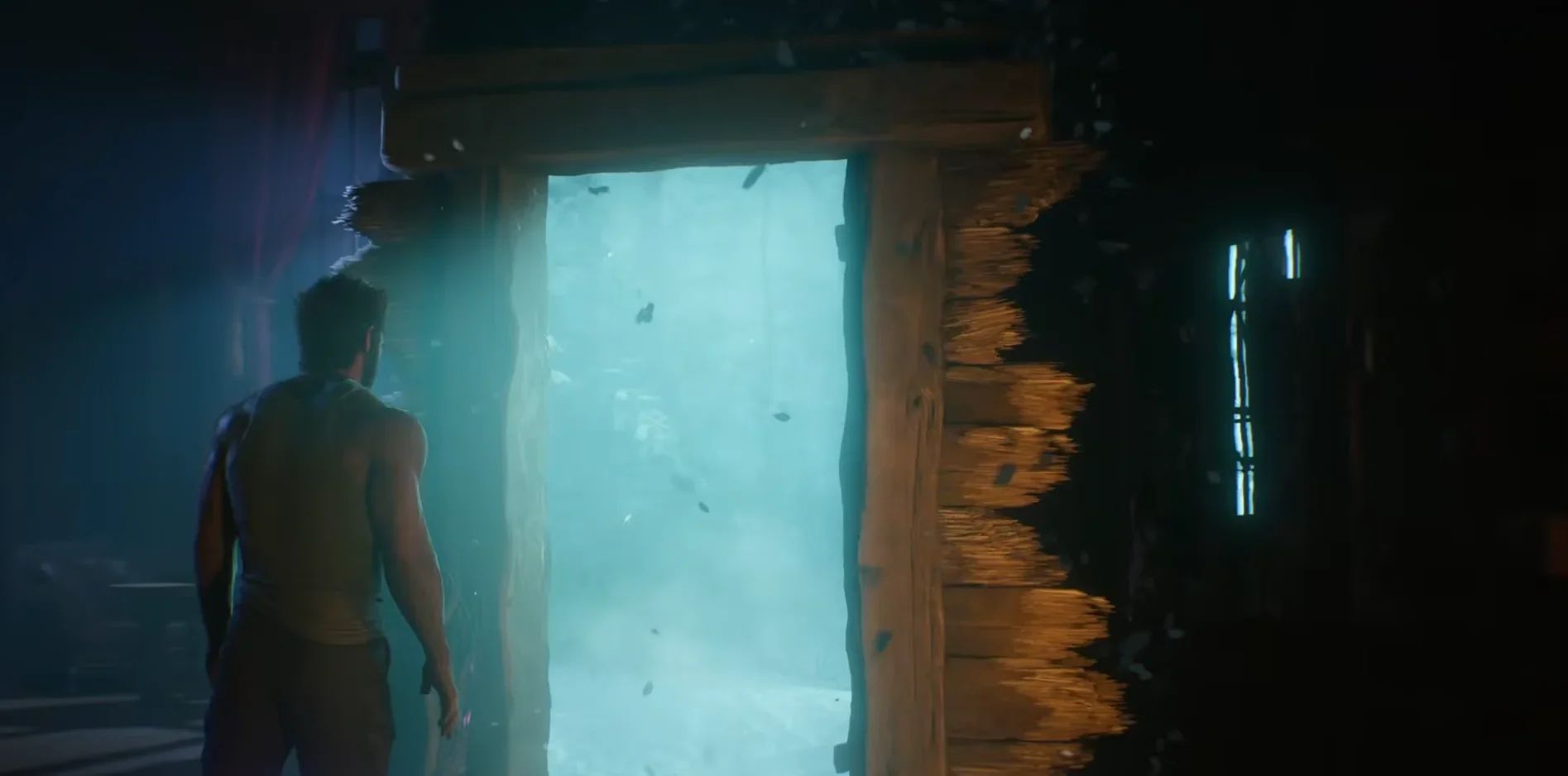
September 2026 is looking slightly ridiculous for games. We have a new dark fantasy RPG from former Witcher developers, the return of Onimusha after more than twenty years, Fire Emblem making its proper arrival on Switch 2, Remedy taking Control outside the Oldest House, and Insomniac finally giving Wolverine an entire game to make people regret standing anywhere near him.
What makes September interesting is that almost every major game here is taking something familiar and changing the shape of it. Control is becoming a much larger action RPG. Fire Emblem is building its story around four protagonists across different points in time. Onimusha is returning to a very different action game landscape than the one it left behind. The Blood of Dawnwalker looks familiar at first, but its approach to time and vampirism could make it one of the stranger RPGs of the year.
And then there is Marvel’s Wolverine, which has the fairly simple job of proving Insomniac understands that Logan should not feel like Spider Man with claws.
Here are the top five games we are most excited about in September 2026.
5. Control Resonant
Control Resonant has an interesting problem because the original Control was already one of the strangest games Remedy has made. The Oldest House could rearrange itself, ordinary objects became supernatural threats, people floated through office spaces like someone had forgotten to turn gravity back on, and the Federal Bureau of Control somehow continued to operate like paperwork was still important while reality collapsed around it.
The sequel is taking that weirdness outside. Jesse Faden is missing, her brother Dylan is now the playable character, and Manhattan is being distorted by a new supernatural crisis. That immediately changes the scale. The Oldest House worked because it was claustrophobic and unknowable, but Resonant is asking what happens when that same kind of impossible behaviour starts spreading across an entire city.
The gameplay is changing with it. Remedy describes Resonant as an action RPG, with Dylan using supernatural powers alongside a transforming melee weapon rather than simply recreating Jesse’s Service Weapon combat. It looks more physical and aggressive, with a greater focus on getting close to enemies while still keeping the telekinetic destruction that made Control so satisfying.
That is probably the part I am most interested in. Control already had some of the best environmental destruction in a modern action game. By the end of a fight, rooms looked less like battlefields and more like someone had thrown an office building into a washing machine. Taking that system into larger areas could give Remedy much more room to experiment.
The concern is whether bigger actually means better. The Oldest House felt special because every corridor could hide something impossible. Manhattan gives Remedy more freedom, but a larger world also creates the danger of turning mystery into another collection of activities and map markers.
Remedy normally understands atmosphere better than most studios, though. If it can make an entire section of New York feel as unsettling as one hallway inside the Oldest House, Control Resonant could become something very special.
Control Resonant launches September 24 for PC, PS5, and Xbox Series X|S.
4. Fire Emblem: Fortune’s Weave
Fire Emblem has come a very long way from being the Nintendo series that once seemed permanently one disappointing release away from disappearing. Fortune’s Weave is now being positioned as a major Nintendo Switch 2 exclusive, and everything shown so far suggests Intelligent Systems is treating it like one.
The story takes place around the Heroic Games in the Dagdan Empire, where fighters compete for the chance to have one wish granted. Four heroes become central to what follows. Cai wants to save his imprisoned father, Dietrich is searching for stronger opponents, Theodora is a queen pursuing the ambitions of her homeland, and Leda is a musician looking for revenge. Their stories are connected across time, eventually leading toward a much larger conflict involving the revived demon god Balor.
That sounds very Fire Emblem, which is a compliment. The series works best when a tactical battle that begins as a collection of units on a grid slowly becomes stressful because you have spent twenty hours learning who all of those units actually are.
Fortune’s Weave is adding Blaze Arts to those battles. These are powerful character abilities that cost health to activate while also filling a Blaze Gauge. Partially filling the gauge provides bonuses, but pushing it too far triggers Burst and cuts the hero’s maximum health. It is exactly the kind of system Fire Emblem enjoys, giving players something extremely useful and attaching just enough danger to make every decision uncomfortable.
There is also more happening between battles. Players can explore Dagsion, recruit and train allies, gather resources, enter dungeons, and prepare for upcoming fights. The important part is that preparation time is limited, meaning you cannot simply do everything before moving forward.
That could make the quieter parts of the game matter much more. Fire Emblem has always been about decisions, but those decisions usually become most painful on the battlefield. Fortune’s Weave appears interested in making the time between battles part of the strategy as well.
The biggest question is how well the four protagonist structure holds together. There is enough going on here that the story could become one of the series’ most ambitious, but splitting attention across four heroes also creates plenty of opportunity for one part of the story to become much more interesting than another.
Still, this feels like Nintendo treating Fire Emblem as one of its major franchises rather than the niche strategy series it once was. That alone makes Fortune’s Weave worth watching.
Fire Emblem: Fortune’s Weave launches September 17 exclusively for Nintendo Switch 2.
3. The Blood of Dawnwalker
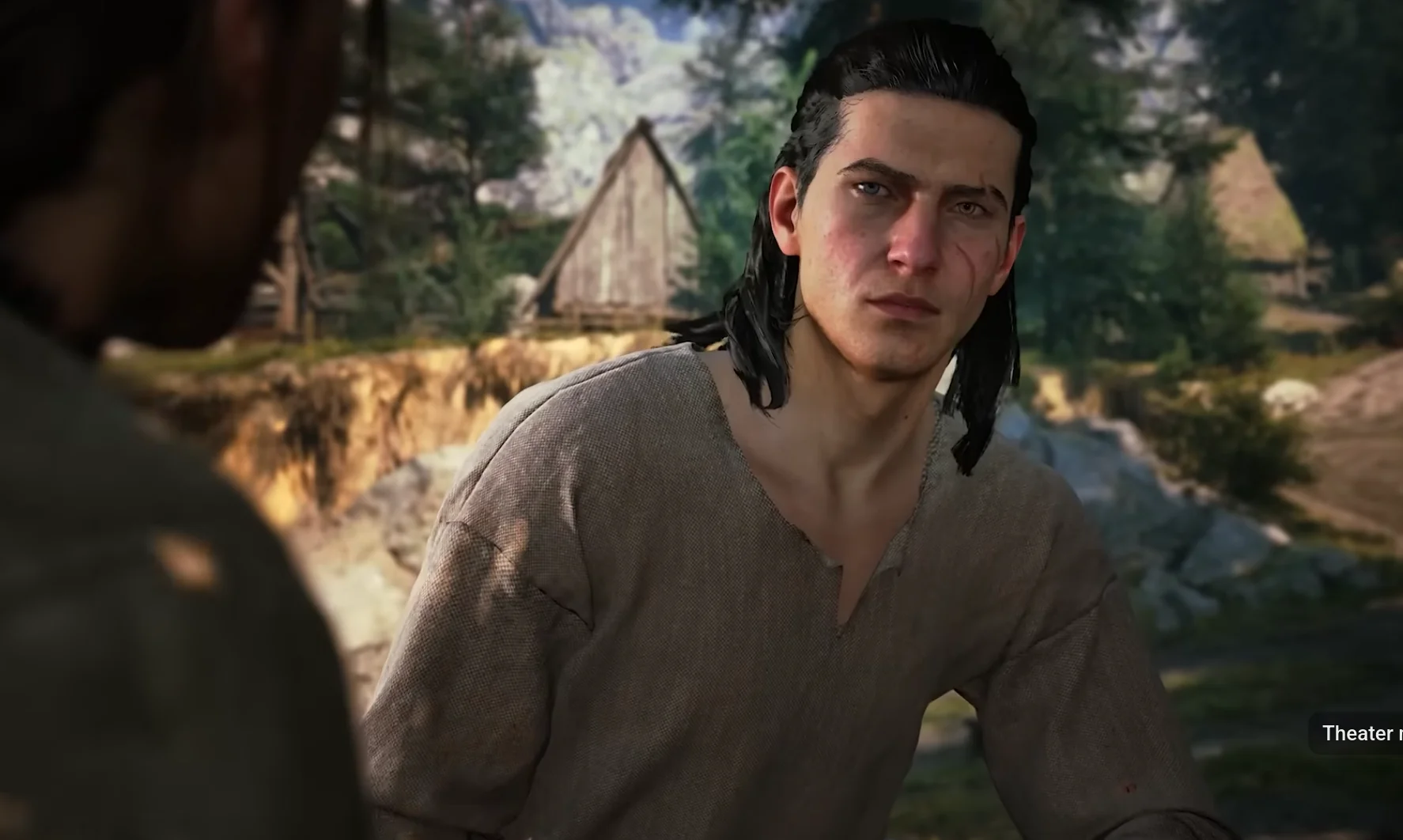
The Blood of Dawnwalker is going to spend a lot of time being compared to The Witcher 3. That is slightly unfair, but it is also impossible to avoid when developer Rebel Wolves was founded by former CD Projekt Red talent and then decided to make an open world dark fantasy RPG set in medieval Europe.
Fortunately, Dawnwalker starts becoming much more interesting once you get beyond that comparison. You play as Coen, a young man living in fourteenth century Europe who has become something between a human and a vampire. During the day he relies more heavily on conventional weapons and human abilities. At night, his vampiric side becomes much more important and changes how he can fight, move, and interact with the world.
The most interesting idea is time. Coen has a limited period in which to save his family, but the game is not simply placing a countdown timer on the screen and asking you to panic efficiently. Time progresses through completing quests and important actions, which turns it into something closer to a resource.
That could solve one of the strangest problems open world RPGs have had for years. A character tells you their family will die unless you act immediately, then waits patiently while you spend three days helping someone find a missing frying pan. Dawnwalker appears more interested in making the world respond to what you choose to spend time doing.
It also means quests become decisions rather than just content waiting to be cleared from a map. Helping one person might cost time that could have been used somewhere else. Following one lead could change what is available later. If Rebel Wolves pushes that idea far enough, Dawnwalker could make choices feel important without constantly stopping the game for giant dialogue boxes announcing that you have made a choice.
Coen’s vampirism adds another layer because being a vampire is not simply a collection of upgrades. His condition changes between day and night, and the abilities that make him more dangerous also create their own problems. That makes the fantasy more interesting than simply becoming stronger every time the sun goes down.
The obvious concern is ambition. Rebel Wolves is attempting a large open world RPG with branching quests, different day and night abilities, consequences tied to time, a new combat system, and a story expected to react meaningfully to player decisions. That is a lot for any studio, never mind one releasing its first game.
But ambition is also exactly why Dawnwalker is this high on the list. It could easily have been described as The Witcher with vampires. The more we see of it, the less accurate that description becomes.
The Blood of Dawnwalker launches September 3 for PC, PS5, and Xbox Series X|S.
2. Onimusha: Way of the Sword
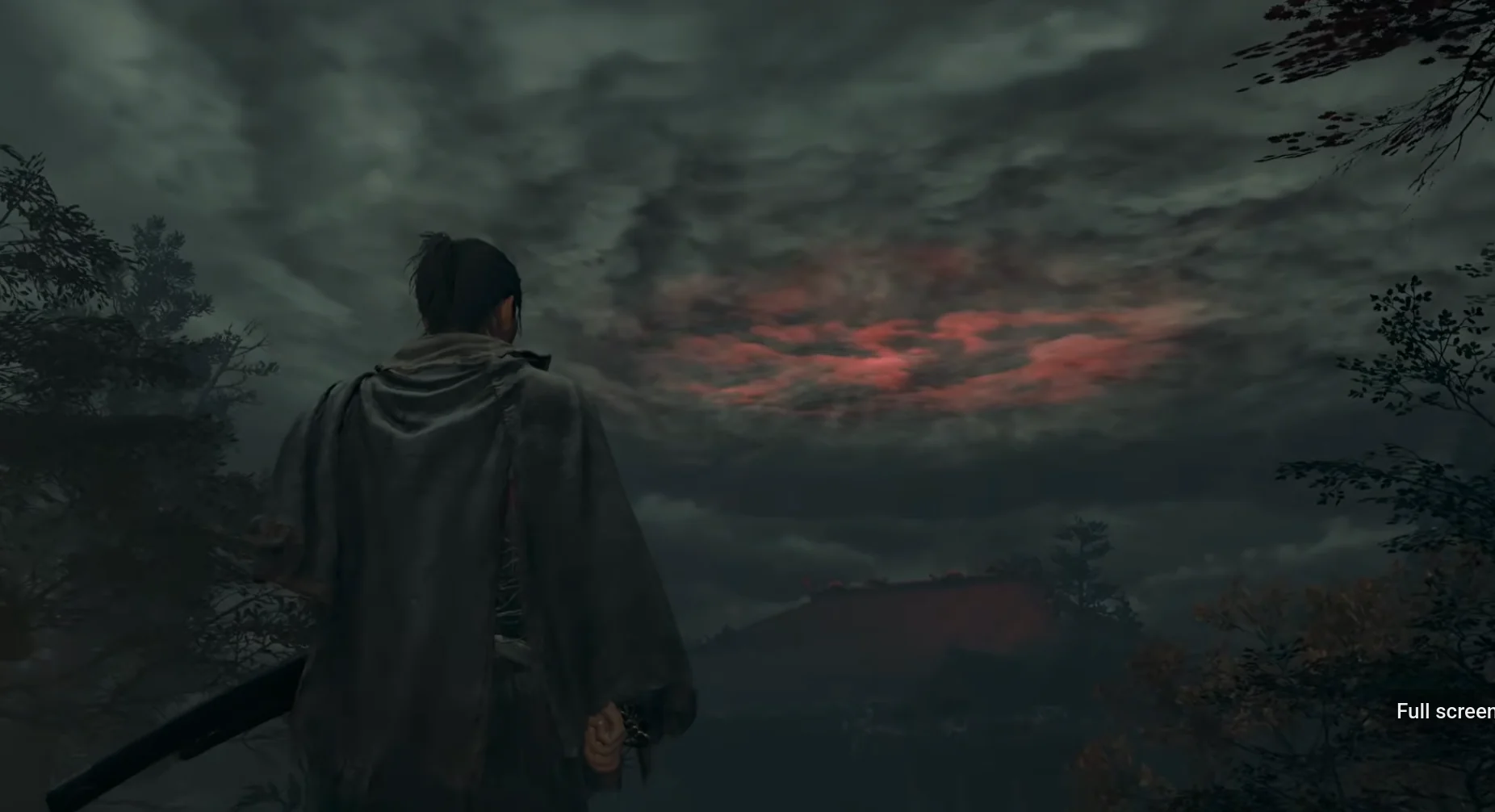
It has been more than twenty years since Capcom released a completely new main Onimusha game, so apparently someone finally found the correct cupboard key.
Onimusha: Way of the Sword brings the series back with Miyamoto Musashi as its protagonist, using the likeness of legendary actor Toshiro Mifune. Musashi arrives in Edo period Kyoto and discovers a city transformed by Malice and overrun by Genma. Fortunately, he also has the Oni Gauntlet, which means the solution involves significantly more sword fighting than local government intervention.
The combat is where Way of the Sword immediately looks right. Onimusha has always occupied a strange space between survival horror and more aggressive action games. There is some Resident Evil in its atmosphere and level design, while the sword combat has always been much more direct. The new game modernises that formula with parries, deflections, counters, supernatural abilities, and the familiar process of absorbing souls from defeated enemies.
What I like is that Capcom does not appear to be embarrassed by the older games. Way of the Sword could easily have returned as another enormous open world action RPG because that is the safest shape for almost anything now. Instead, it still looks focused. Musashi enters dangerous spaces, fights horrible creatures, explores a distorted version of Kyoto, and occasionally has to deal with something considerably larger than anyone carrying one sword should reasonably approach.
The demo has also given players a much better sense of the combat. It appears faster and more flexible than the older games without becoming something completely different. Deflecting attacks and landing precise counters gives fights rhythm, while Musashi still feels powerful enough that every enemy encounter does not turn into five minutes of carefully circling each other.
That balance is important. Onimusha should feel dangerous, but it should also let you feel like an extremely capable swordsman wearing a supernatural gauntlet. There is a point where restraint stops being tension and becomes two people waiting for their stamina bars to refill.
The question is whether the full game can maintain the atmosphere that made Onimusha memorable. Strong combat is only part of it. The series also needs strange environments, grotesque enemies, puzzles, supernatural horror, and that feeling that history has been pushed slightly sideways into something much darker.
So far, Capcom seems to understand that.
There is also the unusual situation of the release date moving forward. Way of the Sword was originally scheduled for September 25 before Capcom moved it to September 4. In an industry where release dates normally move in the opposite direction, seeing a major game arrive three weeks earlier feels almost suspicious.
Nobody is going to complain.
Onimusha: Way of the Sword launches September 4 for PC, PS5, Xbox Series X|S, and Nintendo Switch 2.
1. Marvel’s Wolverine
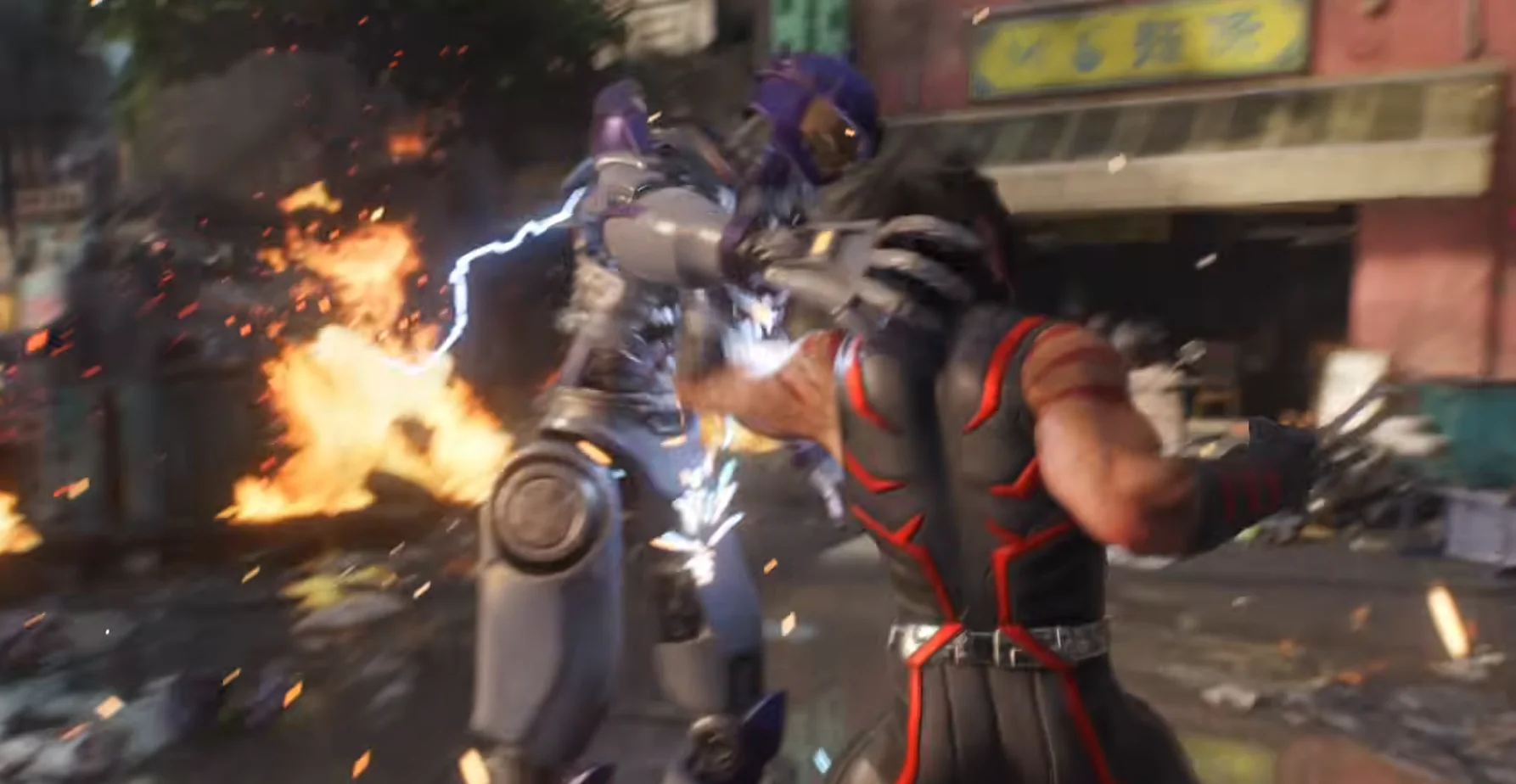
Marvel’s Wolverine is number one because Insomniac has one extremely important job.
Wolverine has to feel like Wolverine.
That sounds obvious, but superhero games live or die on that feeling. Insomniac’s Spider Man works because simply moving through New York feels correct. Swinging is not something you tolerate between missions. It is part of why you want to keep playing.
Logan presents a completely different problem. Wolverine cannot swing between buildings or fly across a city. His fantasy is much more physical. He gets close, takes damage that would stop almost anyone else, and makes the person who caused that damage regret being involved.
Everything shown so far suggests Insomniac understands that difference. Combat is fast and aggressive, with Logan using his adamantium claws, Rage, techniques, counters, movement, and brutal finishers to overwhelm enemies. He can take punishment, but the game does not appear interested in making him feel like an indestructible character who can stand still while everyone politely attacks him.
There is an obvious comparison to X Men Origins: Wolverine from 2009, which has somehow survived as one of those games people remember more fondly than the film it was supposed to promote. One reason is simple. It understood that Wolverine needed to be violent. His healing factor gave the developers permission to damage Logan in ways other superhero games could not, while his claws actually felt dangerous.
Insomniac is taking a different approach, but the same principle matters. Wolverine cannot feel like Spider Man with shorter arms and worse social skills. His combat needs weight. Enemies need to look genuinely unfortunate when Logan reaches them.
The story looks promising as well. Logan is pulled back into Team X and a wider conflict involving Bolivar Trask, the Reavers, and the persecution of mutants. Mystique and Sabretooth are involved, while the journey moves through locations including the Canadian wilderness, Tokyo, and Madripoor.
Recent hands on impressions have also made the game more interesting because it appears Insomniac is leaving room for quieter moments between the violence. That matters more than it might sound. Wolverine is not interesting simply because he is angry and difficult to kill. The best versions of Logan are built around the conflict between someone capable of enormous violence and someone desperately trying to decide what kind of person he wants to be.
That is where Insomniac has the chance to do something better than simply making an excellent combat system.
There will inevitably be arguments about Logan’s appearance. There will be comparisons with Hugh Jackman. There will probably be several thousand comments discussing exactly how tall Wolverine should be, because some conversations on the internet are apparently inevitable.
But all of that becomes secondary if controlling him feels right.
Insomniac already proved with Spider Man that it can take a character with decades of games behind him and find its own version of the fantasy. Wolverine is a much darker test of the same skill.
The claws look brutal. The combat looks fast. Logan looks appropriately irritated by almost everyone around him.
That is a very good place to start.
Marvel’s Wolverine launches September 15 exclusively for PS5.
Final Thoughts
September 2026 has one of the strongest groups of releases we have seen this year. Control Resonant is taking Remedy’s strangest world beyond the Oldest House. Fire Emblem: Fortune’s Weave is turning one of Nintendo’s tactical RPG series into a major Switch 2 exclusive. The Blood of Dawnwalker is trying to prove that its Witcher connections are only the beginning of the conversation.
Onimusha: Way of the Sword is bringing back a series that has been missing for more than twenty years without replacing everything that made it interesting.
And Marvel’s Wolverine might finally give Logan the modern game he deserves.
For me, Wolverine is the one to watch. Not simply because it is the biggest name here, but because Insomniac seems to understand that making a superhero game is not really about recreating the costume or filling a story with familiar characters.
It is about making the player understand that character the moment they pick up the controller.

